The Deputy Minister of Health, Dr Grace Ayensu-Danquah, has raised serious concerns about Ghana’s emergency medical response capacity, pointing to the severe shortage of trained paramedics and the limitations of current ambulance practices.
Speaking in an interview with JoyNews on Friday, April 3, 2026, she stated that Ghana currently has only about eight (8) paramedics in the country.
According to her, this problem goes beyond staffing, as the critical first hour of trauma care is often mishandled, further noting that the country’s ability to handle trauma cases is dangerously inadequate.
“We don’t have a lot of paramedics. I think we have only about eight paramedics in the whole country, so that’s also a huge issue. Then once the ambulance gets to the patient, or the staff in the ambulance gets to the patient, what do they do? Are they able to really stop bleeding, meaning patching the wound and stopping the bleeding, or are they just putting bandages, plaster, or gauze on it?” she quizzed.
The Essikado-Ketan MP also explained that decisions made in the first 20 to 30 minutes can determine whether a patient survives, yet Ghana’s system is not equipped to deliver the necessary interventions.
“There are certain things that should happen in the first hour. In trauma, we usually break it into three parts. The first 20 to 30 minutes is the most important time, and those decisions will influence what happens at the end. So, the ambulance picks the patient up, [and] what do they do?
"Elsewhere, you see people even having defibrillators to shock the person’s heart on site, before they even put the person in the ambulance. Then you bring the person into the ambulance, and certain things should happen within the ambulance from where the patient is picked up to where they are dropped off,” she said in the interview.
She also highlighted the gap in practice and described Ghana’s reliance on what is known as “scoop and run,” a method that prioritises speed over comprehensive care.
“Here in Ghana, what we do is called a scoop and run. So, you scoop, you stabilise to the best of your ability depending on the ambulance staff, and then you run to the hospital,” she explained.
Watch the video below:
VKB/AE
Health News of Friday, 3 April 2026
Source: www.ghanaweb.com
We have only about eight paramedics in the country – Dr Ayensu-Danquah
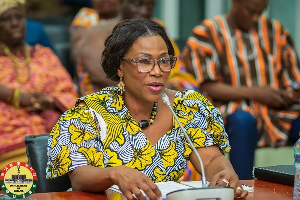 Dr Grace Ayensu-Danquah is the Deputy Minister of Health