Ghana’s headline inflation for March 2026 dropped to 3.2 percent, down from 3.3 percent recorded in February 2026.
This marks the 15th consecutive decline in inflation.
Figures released by the Ghana Statistical Service (GSS) on Wednesday, April 1, 2026, shows a sustained easing in price growth, representing a sharp fall from the 22.4 percent inflation recorded in March 2025.
According to the Government Statistician, Dr Alhassan Iddrisu, food inflation recorded a significant decline, while non-food inflation edged up slightly.
Food inflation dropped to 2.3 percent from 2.4 percent, while non-food inflation also was pegged at 3.9 percent.
What this means for ordinary citizens
For households, the sustained decline in inflation signals easing pressure on the cost of living. Slower price increases, particularly in food, mean families are likely to experience greater stability in market prices compared to the sharp spikes seen in previous years. While prices may not necessarily fall, they are rising at a much slower pace, allowing incomes to stretch further.
Lower inflation also increases the possibility of reduced borrowing costs as interest rates decline. This could make loans more affordable for individuals and businesses, potentially boosting investment, job creation and economic activity.
Implications for government policy
For the government, the steady drop in inflation strengthens macroeconomic stability and supports ongoing fiscal consolidation efforts. It may create room for policy adjustments, including targeted social interventions and development spending, without triggering renewed price pressures.
Additionally, sustained disinflation enhances investor confidence, stabilises the cedi, and improves Ghana’s outlook in negotiations with international financial partners.
However, policymakers will need to remain cautious to ensure that inflation remains anchored and that gains achieved are not reversed by external shocks, currency volatility, or supply-side disruptions.
SA/MA
Business News of Wednesday, 1 April 2026
Source: www.ghanaweb.com
Ghana's inflation drops to 3.2%
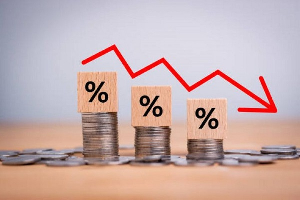 The drop marks the 15th consecutive decline in inflation