Ghanaians may soon feel the pinch of rising tomato prices following Burkina Faso’s decision to halt exports, experts have established.
According to them, this move exposes deeper weaknesses in the country’s food planning system.
Executive Director of the Peasant Farmers Association of Ghana, Bismark Nortey, said the impact of the ban could be severe, especially given Ghana’s heavy dependence on its neighbour for supply.
Speaking on JoyNews Desk on March 23, 2026, he warned that the situation reflects a long-standing failure to plan for food security.
“When we fail to plan and anticipate, situations like this hit us hard, and that is why you are seeing these reactions from the government,” he said.
Burkina Faso’s suspension of fresh tomato exports, which took effect on March 16, 2026, is already raising concerns about shortages on the local market.
According to Nortey, the consequences could be felt within weeks.
“If the ban holds over the next one to four months, it is going to hit Ghanaians hard,” he stressed.
He revealed that more than 90 percent of tomatoes consumed in Ghana are imported from Burkina Faso, making the country highly vulnerable to such disruptions.
“At present, over 90% of the tomatoes we consume on the market come from Burkina Faso. That is a huge chunk that will not be available to the Ghanaian consumer,” he noted.
With supply expected to shrink, he warned that consumers will be forced to compete for limited local produce, driving prices up.
“The little that we have, we will have to struggle for it, and that will definitely lead to high prices,” he added.
Nortey described the situation as a familiar one, recalling similar disruptions in the past and missed opportunities to invest in local production.
“We made it clear that it is not sustainable for us to continue relying on our neighbours for something we can produce ourselves,” he said.
He criticised the lack of follow-through on proposed solutions, including support for farmers and improved infrastructure.
“Unfortunately, our policymakers appear more interested in rhetoric. They speak about these issues, but little action follows,” he stated.
While acknowledging ongoing government efforts to engage authorities in Burkina Faso, he urged that immediate action be taken to stabilise the market, alongside long-term investments to strengthen local agriculture.
"On one hand, this is a wake-up call that if we do not take our agriculture seriously, we will continue to face such shocks. On the other hand, in the short term, we are in serious trouble,” he said.
NA/EB
Business News of Monday, 23 March 2026
Source: www.ghanaweb.com
Ghanaians may feel pinch of Burkina Faso's tomato ban – PFAG
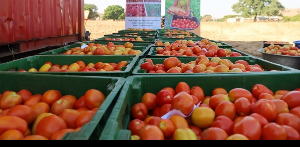 Ghanaians may soon feel the pinch of rising tomato prices