An old video has emerged of renowned political historian and commentator Prof Nana Essilfie-Conduah providing a gripping, detailed eyewitness-style narration of the tragic shooting of three unarmed ex-servicemen on February 28, 1948, an event that ignited the Accra Riots and became a defining catalyst in Ghana’s journey to independence.
In the video originally posted by ABC News GH, Prof Essilfie-Conduah vividly described the sequence of events at the Christiansborg Crossroads, near the Osu Castle, where a peaceful protest by the World War II veterans who were demanding improved pensions and gratuities, turned deadly.
According to the professor’s account, the ex-servicemen, many still in remnants of their military attire, marched toward the seat of colonial authority to present their grievances.
As they approached, they were confronted by armed colonial police led by British Superintendent Colin Imray.
Prof Essilfie-Conduah explained that, “The officer in charge ordered his men to fire into the air as a warning. When the protesters continued, frustrated and in a moment of panic, Imray seized a rifle from one of his subordinates and opened fire directly on the leaders of the march.”
The shots claimed the lives of three veterans almost immediately: Sergeant Nii Adjetey, Corporal Patrick Attipoe, and Private Odartey Lamptey.
“These were men who had fought for the British Empire in distant battlefields. They returned home expecting honour and fair compensation, only to be met with bullets while unarmed and seeking justice," he added.
The killings sparked immediate fury across Accra within hours, with crowds looting European-owned shops, attacking symbols of colonial rule, and spreading unrest that forced authorities to declare a state of emergency.
The British response included the formation of the Watson Commission, whose investigations exposed widespread discontent and recommended sweeping constitutional changes.
These reforms ultimately contributed to the arrest of the “Big Six” nationalist leaders, including Dr Kwame Nkrumah, and accelerated the path to self-government, culminating in Ghana’s independence on March 6, 1957.
Prof Essilfie-Conduah underscored the enduring significance of this riot, stating that; “These three men did not die in vain. Their blood became the rallying cry that united Ghanaians and hastened the end of colonial domination. We must never forget that freedom was purchased at a heavy price.”
The three ex-servicemen are today honoured as national heroes, with their names commemorated at the 28th February Crossroads memorial in Accra and observed annually on Remembrance Day.
Recent commemorations, including the 78th anniversary in 2026, featured high-level ceremonies at Nationalism Park, reaffirming their role in shaping modern Ghana.
NA/AE
General News of Sunday, 15 March 2026
Source: www.ghanaweb.com
Prof Essilfie-Conduah recounts chilling details of the 1948 ex-servicemen shooting
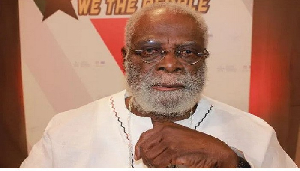 Prof Nana Essilfie-Conduah is a political historian and commentator