The government has been urged by three economic experts to maintain fiscal discipline and continue ongoing economic reforms to stabilise the cedi.
The experts; Dr Theo Acheampong, Technical Advisor at the Ministry of Finance; Professor Agyapomaa Gyeke-Dako, economist at the University of Ghana Business School; and Nicholas Issaka Gbana, development economist and chartered accountant, agreed that sustaining these measures is crucial to maintaining the cedi’s recent performance and strengthening Ghana’s economy after exiting the International Monetary Fund (IMF) programme later this year.
Their remarks came during an online panel discussion held on Sunday on NovanReports’ X Space, under the theme: “Cedi Stability in 2026: Can Ghana Hold the Line After the IMF?”
Dr Acheampong expressed confidence that Ghana could maintain cedi stability post-IMF, pointing to the government’s commitment to fiscal discipline and ongoing reforms.
He stressed that strict adherence to the Public Finance Management (PFM) Act, including the requirement for an annual fiscal surplus of at least 1.5 percent of GDP, the cap on public debt at 45 percent of GDP by 2035, and the oversight role of the Fiscal Council, is critical to keeping the cedi stable.
He also countered claims that the government was under-spending, explaining that public expenditure is being directed toward productive sectors.
“What happens externally and what we do domestically are both very important in ensuring cedi stability as we exit the IMF programme,” he noted.
Gbana acknowledged Ghana’s progress in managing domestic economic factors but cautioned that external pressures, particularly heavy reliance on imported commodities like petroleum, remain a concern.
He advised Small and Medium-Scale Enterprises (SMEs) to adopt smart pricing and inventory strategies to cope with foreign exchange volatility, noting that many SMEs cannot afford formal hedging tools.
Professor Gyeke-Dako emphasised the importance of limiting excessive cedi fluctuations, stating that relative stability allows businesses to plan effectively.
She further called for economic diversification and a more supportive business environment, highlighting that structural challenges continue to undermine local production.
“Until we fix the unfriendly business environment, local goods will remain more expensive than imported ones,” she added.
The consensus among the experts was clear; maintaining fiscal discipline, implementing economic reforms, and addressing structural challenges are essential to safeguarding the cedi and ensuring sustainable growth for Ghana.
Business News of Tuesday, 10 February 2026
Source: ghanaiantimes.com.gh
Cedi stability hinges on fiscal discipline - Economists tell government
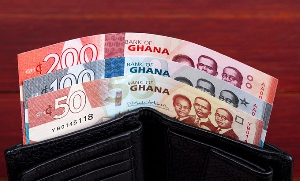 File photo of cedi notes