The Volta Aluminum Company (VALCO) is not for sale, the Chief Executive Officer of the Ghana Integrated Aluminum Development Corporation (GIADEC), Reindorf Twumasi Ankrah, has stated.
He explained that the government requires a strategic partner investment of US$600 million, as the company’s aluminum production has fallen from 200,000 metric tonnes annually to only 35,000 metric tonnes over the past 15 years. A partnership is therefore needed to meet demand and restore the company’s fortunes.
“As of January 2025, VALCO’s debts had increased to about US$450 million, owed to institutions including GRIDCo, the Ghana Revenue Authority, and the Tema Development Corporation (TDC). As the government does not have US$600 million to revive VALCO,” he underlined.
In an interview with The Ghanaian Times in Accra last Friday, Ankrah said that in May 2022, the Cabinet approved the search for a strategic investor to revive VALCO, as much of the machinery was over 60 years old and lacked the capacity to produce more.
He noted that the government currently lacks the financial capacity to sustain the company and must seek an investment of about US$600 million, which some financiers have shown interest in.
“And you know that from the time the government took over the management of VALCO and its ownership, things started declining. As of 2022, VALCO was shut down. When I say shut down, it means the plant was closed. Workers were laid off,” he disclosed.
He added that records showed that whenever there was a shutdown, resuming operations typically resulted in reduced capacity, as the plant did not return to its former operational level.
Ankrah emphasised that the only way for the government to find “breathing” space was to shut down the plant, as it was not contributing to the country’s GDP, stressing that the company was running millions of dollars in debt.
He also noted that VALCO’s staff strength is currently around 650, compared to over 12,000 workers when it was fully operational, and that the only valuable asset remaining is the land.
An internal audit valued VALCO at about US$90 million, although investors argued otherwise due to outmoded machinery and logistics. KPMG, during their valuation, placed VALCO at a little over US$100 million.
Furthermore, he explained that the company produces about 23 percent of its capacity, with less than 50 percent of the installed capacity requiring approximately 90 megawatts of power to operate.
“But when you produce, you generate less revenue, and you may not even cover the electricity costs needed to produce between 30,000 and 40,000 tonnes of aluminium.
“KPMG recommended five options, with the first being to bring in an equity partner for managerial expertise and capital. This was a decision agreed upon by the then Cabinet,” Ankrah stated.
He said that although some investors had expressed interest, no agreements had been reached, as they wanted control over staffing, including the ability to recruit or dismiss workers—a condition the government rejected.
However, he noted that currently, some investors have shown interest.
“The government decided that whoever is going to express interest in reviving the company must provide us with how they intend to generate power, and also give us their clear plan on retention of the existing staff. So these were the two key things on which we started the process for searching for investment.
“The current plan aims to increase capacity to about 300,000 tonnes of aluminium annually, an additional 100,000 tonnes. An expert indicated that an investor could complete the new installation within about 36 months,” Ankrah indicated.
Business News of Tuesday, 10 February 2026
Source: ghanaiantimes.com.gh
Government requires US$600m investment to revive VALCO - GIADEC CEO
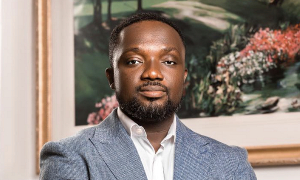 Reindorf Twumasi Ankrah is the CEO of GIADEC