Finance and Energy Policy Analyst, Richmond Eduku, has defended the Bank of Ghana’s (BoG) decision to reduce the proportion of gold in the country’s international reserves, describing it as a strategic move aimed at stabilising the economy and easing pressure on ordinary Ghanaians.
In a statement on January 29, 2026, Eduku said holding over 40 percent of reserves in gold as was the case in December 2024 at a time when the country was grappling with soaring inflation of 23.8 percent (and at certain periods exceeding 54 percent), mounting debt and widespread arrears across key sectors, amounted to leaving a critical resource idle while citizens suffered.
Ghana’s international reserves are a key indicator of the country’s macroeconomic health.
They consist of gold holdings, foreign currency and other liquid assets, which the BoG uses to support imports, stabilise the cedi and meet external obligations.
According to the BoG’s Summary of Economic and Financial Data for December 2025, Ghana’s total international reserves stood at US$13.8 billion, up from US$9.3 billion in December 2024, even after gold holdings were reduced from 30.5 tonnes to 18.6 tonnes.
Eduku emphasised that these figures provide a factual basis for understanding the strategic rationale behind the adjustment.
BoG cuts gold exposure by 50% on concentration concerns
“Gold is a valuable asset, but it cannot sit idle,” he said.
“Reserves must be actively deployed to generate liquidity, support imports and settle arrears.
"By converting part of the gold into foreign currency and other liquid assets, the BoG has diversified the reserve portfolio, increased flexibility, and ensured that resources actively support economic stability while still maintaining a substantial gold buffer of 18.6 tonnes.”
In December 2024, Ghana faced staggering arrears and debts across critical sectors, which significantly worsened economic hardship for citizens.
Government arrears were estimated at GH¢67.5 billion, excluding GH¢68 billion owed by the Electricity Company of Ghana (ECG), GH¢32 billion owed by COCOBOD and US$1.73 billion owed to Independent Power Producers (IPPs).
Contractors were also owed GH¢21 billion in road sector payments alone, reflecting years of unresolved obligations.
Since assuming office, the Mahama government has addressed these arrears.
Notable payments include GH¢115.9 million in premix fuel arrears, clearing subsidies owed to small-scale fishers and GH¢13 billion allocated in 2025 to settle verified contractor claims steps that have helped restore confidence and ease liquidity pressures in the economy.
In addition, the government prioritised external debt servicing, making approximately US$1.17 billion in Eurobond payments in 2025.
These payments have reduced Ghana’s overall debt burden, lowered the debt-to-GDP ratio and strengthened the country’s credibility with international investors.
In the energy sector, the government cleared US$1.47 billion in legacy debts, including US$597 million to restore World Bank guarantees, US$480 million in outstanding gas invoices and US$393 million owed to Independent Power Producers.
These interventions helped stabilise energy supply, which is critical for both households and businesses.
Eduku further noted that Ghana’s approach aligns with global best practices.
While Ghana previously held over 40 percent of its reserves in gold, peer countries such as Chile and Brazil maintain only 20–25 percent, diversifying the remainder into foreign currency assets.
This enables central banks to enhance liquidity, generate returns and ease economic pressure on citizens, while still maintaining strong buffers against external shocks.
The results of this strategy, he said, are already evident. Between December 2024 and December 2025:
Total international reserves increased from US$9.3 billion to US$13.8 billion
Inflation declined from 23.8 percent to 5.4 percent
The Monetary Policy Rate (MPR) fell from 26 per cent to 18 percent
These measures, combined with payments to clear arrears and service external debt obligations, have helped ease economic pressure on ordinary Ghanaians, reduce the cost of fuel and goods and create a more stable environment for businesses.
“It would have been illogical to keep 30.5 tonnes of gold in reserves while the economy struggled with hyperinflation, unpaid arrears and rising systemic debt.
"The BoG’s decision to diversify its gold holdings was a calculated and strategic move to ensure that resources actively contribute to economic stability, reduce arrears, service external debt and improve the living conditions of ordinary Ghanaians. Gold remains a strong foundation—but now it works for the people rather than sitting idle.”
AM
Meanwhile, watch the 2025 GhanaWeb Excellence Awards Unveiling of Nominees:
Business News of Thursday, 29 January 2026
Source: www.ghanaweb.com
Keeping tonnes of gold while inflation hits 54% is illogical – Financial analyst
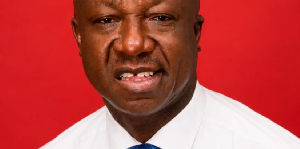
 Finance and Energy Policy Analyst, Richmond Eduku