Ghana is working to reduce its reliance on external financial assistance, with the government focused on restoring economic stability and public confidence after years of slow growth, high inflation, and rising debt.
The country has been under an IMF-supported programme since 2023 to stabilise the economy after inflation surged, the cedi weakened, and fiscal buffers eroded.
According to authorities, Ghana sought IMF support for three main reasons: to stabilise the economy after global shocks, to secure balance-of-payments support, including through concessional financing, and to unlock additional international funding through a catalytic effect.
In his New Year message, President John Dramani Mahama said the government is preparing to exit the IMF programme while safeguarding Ghana’s economic credibility. He said reforms over the past year have strengthened macroeconomic indicators enough to support a gradual withdrawal.
“We are beginning the process of exiting the IMF programme with dignity, not as supplicants, but as partners.”
Ghana’s entry into the IMF programme followed escalating debt and inflation that undermined investor confidence. While the programme helped restore some stability, it also sparked debate over economic sovereignty and the long-term impact of external conditionalities.
President Mahama said Ghana has completed debt renegotiations “on terms that protect our sovereignty while ensuring sustainability” and is rebuilding credibility with international partners.
He added that inflation had fallen from “23% and above by the end of 2024,” the cedi had seen “relative currency stability,” and business confidence was improving — conditions the government says create the foundation for a dignified exit.
Business News of Friday, 2 January 2026
Source: gbcghanaonline.com
Ghana to exit IMF programme with dignity – President Mahama
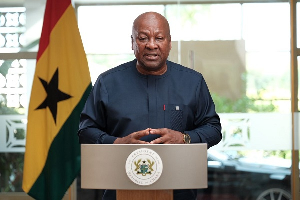 President John Dramani Mahama says Ghana has begun the process of exiting the IMF programme



Entertainment
Old videos of Afua Asantewaa and husband resurfaces

Opinions