The Noguchi Memorial Institute for Medical Research (NMIMR) has developed what scientists are calling a potential breakthrough in HIV treatment, following successful laboratory tests on two herbal compound extracts derived from native plants.
According to a graphic.com.gh report on December 12, 2025, it said the experimental therapy demonstrated a high selectivity index effectively targeting and destroying HIV-infected cells while leaving healthy cells unharmed.
This marks a significant difference from existing Antiretroviral Therapies (ARTs), which suppress viral replication but often pose long-term risks to the liver and kidneys.
Noguchi to establish unit to test traditional medicine for HIV/AIDS
Dr Adriel Cyrus Moodley, lead rapporteur for Track ‘A’ at the 2025 International Conference on AIDS and STIs in Africa (ICASA), described the findings as ‘ground-breaking,’ noting the extracts’ natural origins and potentially reduced side effects.
“This is going to eliminate the need for regular organ function testing because we have a healthy product. Instead of using synthesised products, this herbal extract is nature. The compound exists in the plant, so we do not need to create it,” Dr Moodley stated.
Next Steps: Animal trials ahead
Although laboratory testing is complete, the therapy must undergo animal studies and further phases of validation before any clinical application can be considered, the report said.
Dr Moodley emphasised that despite the excitement surrounding Noguchi’s research, ARTs remain the only proven treatment option available.
“HIV remains incurable despite ART advancements,” he stated, adding that while ARTs are effective and affordable, they require lifelong use.
A different treatment strategy
The findings says herbal extract appears to function differently from conventional ARVs. While current therapies stop the virus from replicating, the Noguchi discovery reportedly blocks the HIV and locks it away, offering what Dr Moodley described as an unprecedented approach.
“That’s awesome! I've been treating HIV for 15 years. I've never heard of such a thing in my life,” he said.
Herbal medicines safe & potent for HIV/AIDS - Noguchi
He advocated for a scientific return to herbal-based research not by replacing modern medicine, but by identifying, isolating and refining active plant compounds responsibly.
A step toward a 2030 cure?
During his presentation at ICASA 2025, held in Accra from December 3–8, 2025, Dr Moodley suggested that a cure for AIDS by 2030 remains possible if global research intensifies across multiple scientific fronts.
His presentation also highlighted other emerging research across Africa, including the continent’s first clinical HIV cure trial, studies into Treg Cell immunotherapy, new TB detection technologies for HIV co-infections, and advancements in drug development.
The herbal compounds under investigation currently remain unnamed, identified only by code names as the research awaits further validation and publication.
MRA/AE
Also, watch below Amnesty International's 'Protect the Protest' documentary as the world marks International Human Rights Day 2025
General News of Friday, 12 December 2025
Source: www.ghanaweb.com
Noguchi Institute unveils potential herbal HIV breakthrough
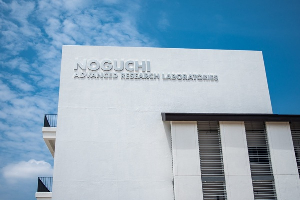 The Noguchi Institute discovery is described as a breakthrough