The Ghana Anti-Corruption Coalition (GACC), in partnership with the Africa Centre for Energy Policy (ACEP), Transparency International-Ghana and the Ghana Audit Service, has held a capacity-building workshop in Accra to equip journalists with the skills to better understand and report on the Auditor-General’s work.
The training, held on Friday, November 21, 2025 and supported by the UK’s Foreign, Commonwealth and Development Office (FCDO), forms part of an anti-corruption initiative aimed at enhancing governance and accountability.
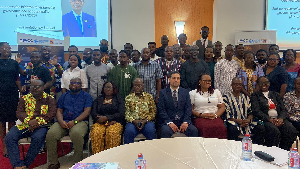
Participants received training on the structure and mandate of the Auditor-General, the audit process and how to accurately interpret audit findings.
They were also introduced to the CitizensEye mobile application, which allows users to engage directly with the Audit Service and contribute to audit planning and programmes.
The app, accessible on smartphones and computer devices, is designed to encourage citizen participation in the audit process.
As part of the workshop, participants took part in a case study session where they were given selected audit reports and guided through how to identify newsworthy and impactful stories, understand infractions and follow the trail of issues that require further scrutiny.
The practical exercise was aimed at strengthening journalists’ ability to translate technical audit information into clear, accurate and meaningful reporting.
Sector analysts have long noted that many newsrooms lack specialised investigative, data and public financial management (PFM) expertise needed to fully interpret audit reports, which are often highly technical.
As a result, media coverage frequently focuses on headline figures or controversy rather than deeper systemic issues. It was against this backdrop that the workshop was organised.
Welcoming participants, the Executive Secretary of GACC, Beauty Emefa Nartey, said the “fight against corruption can only benefit and be more informed if you have the capacity,” adding that accurate reporting by the media is essential to strengthening accountability. “We believe that with you we can do a lot more,” she said.
The Head of Political and Governance at FCDO, Mr Hooman Nouruzi, said the training aligns with the British High Commission’s £5 million Ghana Governance Programme, which supports civil society to drive reform and improve institutional performance.
“Transparency and accountability as we’ve heard already, are the cornerstones of good governance,” he said.
He stressed the importance of empowering journalists to interpret complex audit findings and translate them into stories that inform the public and strengthen accountability.
ACEP’s Policy Lead for Petroleum and Conventional Energy, Kodzo Yaotse, said the session was aimed at helping journalists better appreciate the work of the Audit Service and use its tools more effectively.
“Today’s session is to help you to understand for your own selves the work that the Audit Service is doing and also to help educate the citizens that you interact with because you are more of a catalyst for the human side of accountability in the country,” he said.
Resource persons from the Ghana Audit Service included the Assistant Director of Audit and Information Officer, Frederick Lokko; Assistant Auditor-Generals Samuel Frimpong-Manso and Thomas Nunoo; Deputy Auditor-General of the Performance and Special Audits Department, Lawrence Ayagiba; Director of Audits, Roberta Ntim and Assistant Directors Dovlo Kplorm and Jude Danbo. Members of the Service’s legal team were also present.
At the end of the workshop, several participants said the training had strengthened their understanding of audit processes and improved their confidence in reporting on the Auditor-General’s findings.
Business News of Sunday, 23 November 2025
Source: gbcghanaonline.com
GACC, partners train journalists on interpreting Auditor-General’s reports
 The practical exercise was aimed at strengthening journalists’ ability to translate technical audit


Entertainment