GhanaWeb Feature by Sisl Prempeh
Brent crude oil prices have been on a consistent decline since 2021, raising significant concerns for governments and oil-dependent economies that heavily rely on crude oil revenues for budget planning.
Without careful rationalisation of expenditure, such countries risk widening budget deficits as revenue projections fall short.
Crude oil prices fell twice this week on the international market, intensifying concerns over revenue shortfalls amidst escalating trade tensions.
On Sunday, April 6, 2025, Brent crude dipped below US$60 per barrel for the first time since 2021, and continued its downward trend, falling further to below US$57 per barrel on Tuesday, April 8, 2025.
This recent plunge in prices has been largely attributed to a surge in trade hostilities between global superpowers.
U.S. President Donald Trump announced a sharp increase in import tariffs on Chinese goods, from 125% to 145%. In retaliation, China imposed a counter-tariff hike on U.S. imports, raising duties from 84% to 125% on Friday, April 11, 2025.
Experts warn that such aggressive trade policies could dampen global investment and slow economic growth, exacerbating the volatility of commodity markets, including crude oil.
In an exclusive interview with GhanaWeb Business, Ben Nsiah, CEO of the Centre for Environmental Management and Sustainable Energy (CEMSE), highlighted the potential fiscal ramifications for Ghana and other oil-exporting nations.
He warned that as oil prices continue to drop, projected revenues could fall significantly, impacting government budgets.
“A government will not benefit from the drop because crude oil revenue projections will also begin to crash. That is likely going to affect your budget. If you don’t rationalize the expenditure aspect of the budget carefully, you may record higher budget deficits. That, in turn, affects your credit ratings on the international market and balloons your arrears or deficits in nominal terms,” Nsiah explained.
He also emphasised the need for tighter regulation in the petroleum sector to ensure that price drops on the global market are fairly reflected at the local pump.
There are growing concerns that some businesses may exploit the falling prices to inflate their profit margins, thereby denying consumers the full benefit of the decline.
As governments navigate this challenging economic terrain, there is increased pressure to stabilise public finances while simultaneously protecting consumers from economic shocks.
This underscores the urgent need for prudent fiscal management, transparent pricing mechanisms, and strong regulatory oversight.
Business News of Friday, 11 April 2025
Source: www.ghanaweb.com
Brent Crude Falls Since 2021: A looming budget deficit for government?
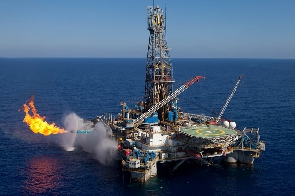 Crude oil prices decline since 2021