Ghanaians have been advised to deepen their understanding of virtual assets before engaging in these trades, as regulators launch a nationwide literacy programme following the passage of the Virtual Asset Service Providers Act.
The call comes as the Bank of Ghana (BoG), on Friday, January 23, 2026, launched the National Virtual Asset Literacy Initiative (NaVALI) in Accra. The programme aims to expose consumers to the risks and opportunities of virtual assets and promote informed, lawful participation in the sector.
The initiative, spearheaded by the Central Bank and the Securities and Exchange Commission (SEC), will target four categories of individuals, ranging from those with little or no knowledge about virtual assets to those with professional understanding.
Guided by objectives of strengthening institutional capacity and promoting nationwide awareness, the literacy programme is designed to empower consumers, discourage uninformed usage, enhance market integrity, and contribute to financial stability.
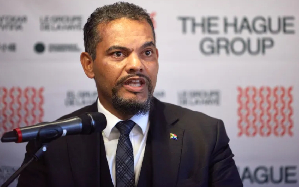
The Governor of the Central Bank, Dr Johnson Asiama, said the programme seeks to ensure that Ghanaians fully understand virtual assets before undertaking any trades or related activities.
He explained that effective regulation requires ecosystem-wide awareness of both the opportunities and risks associated with virtual assets to ensure adoption is safe, responsible, and beneficial to the nation’s economic growth.
“The National Virtual Asset Literacy Initiative is anchored on a simple but important principle: understand before you undertake, which will position virtual asset literacy as the foundation for a safe digital economy,” Dr Asiama said.
He noted that as innovation in the virtual asset space continues to evolve, education and awareness remain central to regulation, ensuring responsible progress, consumer protection, market integrity, and financial stability.
Dr James Klutse Avedzi, Director-General of the SEC, described the passage of the Act as a turning point in Ghana’s financial ecosystem. He reiterated that public literacy is essential to demystifying virtual assets and fostering informed participation.
“Virtual assets offer opportunities for financial inclusion and economic growth but also pose risks. Hence, the adoption of a national approach for safe usage is necessary. We urge Ghanaians to participate in the trainings to enrich their knowledge,” Dr Avedzi said.
He added that the national virtual asset literacy initiative reflects the regulators’ and the country’s commitment to ensuring informed participation and supporting innovation within a clear, predictable, and proportionate regulatory framework.
Owuraku Asare, Head of the Financial Technology and Innovation Office at the Bank of Ghana, said the nationwide awareness campaign would include community and market activities, radio discussions, and social media engagements.
He said the initiative would focus on strengthening institutional capacity in blockchain and related technologies while promoting nationwide awareness of risks, building trust, and supporting a safe digital financial ecosystem.
“As virtual assets grow, so does the need for clear information, practical guidance, and shared understanding for institutions and the digital public. NaVALI is designed to ensure that innovation matches responsibility, and participation is informed and lawful,” he noted.
Already, the Central Bank has admitted six fintech firms into its regulatory sandbox programme for a one-year initiative aimed at validating regulatory frameworks for the exchange, custody, administration, and issuance of virtual assets, with over 100 crypto firms officially registered.
DVLA set to go global with licensing services in USA, Germany, other countries
DVLA boss hits back at VEMAG over cancellation of alleged contract
Business News of Saturday, 24 January 2026
Source: GNA
Why Ghanaians must understand virtual assets before trading - BoG Governor
 Dr Johnson Asiama is the Governor of the Bank of Ghana



Entertainment