As men grow old, the prostate can gradually enlarge, sometimes causing urinary problems such as a weaker urine stream and a frequent urge to urinate.
The prostate can also become inflamed, and it may lead to prostatitis and pelvic pain.
Regular physical activity can help support prostate health by helping to control weight, improve insulin sensitivity and reduce inflammation.
A recent report by The Telegraph has identified five exercises that can help men maintain their overall prostate health.
Prostate Cancer: What Ghanaian men need to know
Experts recommend combining aerobic activity, strength training and, where appropriate, pelvic-floor exercises.
Here are five exercises that may help men maintain their overall and prostate health.
1. Step-ups
Step-ups can improve aerobic fitness while strengthening the legs.
Using a low, sturdy step or the bottom stair, place one foot on the step and push through that leg until you are standing on it. Lower yourself back down and alternate legs.
The pace can gradually be increased until breathing becomes noticeably faster but you can still hold a conversation.
2. Sit-to-stand
This simple exercise helps maintain strength in the muscles needed for walking, climbing stairs and getting up from a chair.
Sit towards the front of a sturdy chair with your feet about hip-width apart.
Lean slightly forward, push through your feet and stand up without using your hands if possible.
Slowly lower yourself back into the chair and repeat.
A target of two sets of eight to 12 repetitions can be used, with the final few repetitions feeling challenging.
3. Dumbbell squats
Dumbbell squats work several major muscle groups and can help maintain muscle strength.
Stand with your feet about shoulder-width apart and hold a dumbbell close to your chest with both hands.
Push your hips backwards and bend your knees as though you are sitting in a chair. Go only as low as feels comfortable, then push through your feet to return to a standing position.
Two sets of eight to 12 repetitions can be performed, using a weight that makes the final repetitions challenging without compromising form.
Strength training can be particularly useful for men undergoing hormone treatment for prostate cancer, which can contribute to muscle loss and increased body fat.
4. Belly breathing
Belly breathing may help men whose pelvic-floor muscles are excessively tight, particularly those experiencing chronic prostatitis or persistent pelvic pain.
Lie on your back or sit comfortably and place one hand on your stomach.
Breathe slowly through your nose, allowing your abdomen to rise rather than pulling it in.
As you breathe out, allow your stomach to fall.
At the same time, focus on relaxing the muscles around the anus and between the legs rather than tightening them.
However, pelvic-floor exercises are not suitable for every prostate-related problem.
Men with persistent pelvic pain may already have overly tight pelvic-floor muscles, and repeatedly contracting them could worsen symptoms.
5. Standing pelvic-floor contractions
Pelvic-floor exercises can help improve bladder control, particularly for men recovering from prostate surgery.
Stand comfortably with your feet slightly apart and gently contract the pelvic-floor muscles, as though trying to stop urine from escaping.
Keep breathing normally and avoid tightening the buttocks, thighs or stomach. Fully relax the pelvic floor before repeating the contraction.
A routine can gradually build towards 10 quick contractions, followed by 10 slower contractions held for up to 10 seconds each.
Men with prostate-related symptoms or those undergoing treatment for cancer should seek medical advice before starting any new exercise routine.
JKB/VPO
NSA Boss Addresses Accra Sports Stadium Pitch Concerns Ahead of Ghana’s AFCONQ
Health News of Tuesday, 22 September 2026
Source: www.ghanaweb.com
These 5 simple exercises may help protect men's prostate health
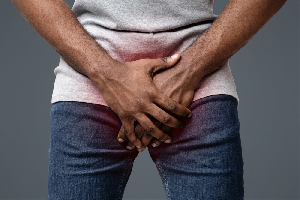 Men can support their prostate health through regular exercise