Professor of Finance and Economics at the University of Ghana, Godfred Bokpin, has warned that Ghana risks returning to another programme with the International Monetary Fund (IMF) within the next decade if persistent structural challenges in the economy are not decisively addressed.
According to him, Ghana’s recurring dependence on IMF support reflects deep-rooted economic weaknesses that successive governments have failed to resolve over the years.
Speaking at the 2026 Axis Pension Trust Pension Strategy Conference in Accra on May 20, 2026, Professor Bokpin said Ghana’s repeated return to the IMF demonstrates the country’s inability to implement lasting structural reforms capable of preventing future economic crises.
“If we were learning from past programmes with determination, we should be able to identify why we have been going there that often. I can assure you there is a way you can predict that if these things persist, we will be there again,” he said.
Otedola targets $100 million stake in Dangote Refinery IPO
Professor Bokpin also noted that the country’s current economic difficulties mirror the same conditions that pushed Ghana to seek IMF assistance several decades ago.
“The reasons Dr Kwame Nkrumah cited for approaching the IMF are not substantially different from the reasons we cited in 2022 for our current programme,” he stated.
He therefore called for urgent structural reforms focused on strengthening fiscal discipline, improving productivity, and reducing the country’s continued reliance on external financial support.
He further disclosed that an analysis conducted after government announced plans to exit the current IMF programme suggests Ghana could require another bailout arrangement by 2032 or 2033 if current trends remain unchanged.
“When government announced that they were exiting the programme, we did our analysis and concluded that Ghana will be fully ready for another IMF-supported programme by 2032 or 2033,” he noted.
Professor Bokpin also raised concerns about the long-term sustainability of Ghana’s pension system, warning that delayed reforms and mounting fiscal pressures could worsen the situation in the coming years.
ANAS/MA
Why the Bank of Ghana held the policy rate at 14% - Governor Asiama explains
Business News of Thursday, 21 May 2026
Source: www.ghanaweb.com
Structural weaknesses may push Ghana back to IMF - Professor Bokpin
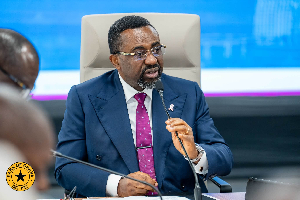
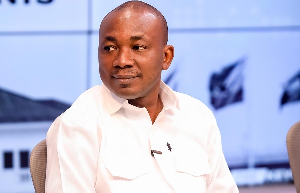 Professor of Finance and Economics at the University of Ghana, Godfred Bokpin