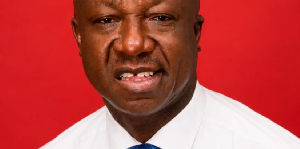
The Deputy Ranking Member of Parliament’s Finance Committee and Member of Parliament for Tano North, Dr Gideon Boako, says the International Monetary Fund’s (IMF) latest assessment of Ghana’s economy underscores the need for the country to move beyond macroeconomic stabilisation towards long-term structural transformation.
In an economic commentary titled “The Boako Economic Digest – #001/26”, Boako said that although the IMF acknowledged Ghana’s progress in restoring macroeconomic stability, it cautioned that stabilisation alone should not be mistaken for economic transformation.
He argued that while improvements in inflation, fiscal balance and exchange rate stability were important achievements, the real measure of economic success lay in creating opportunities, protecting livelihoods and improving the living standards of ordinary Ghanaians.
According to Boako, the IMF identified several structural vulnerabilities that could threaten the sustainability of Ghana’s recovery if left unaddressed.
These include the country’s growing dependence on gold exports, modest fiscal returns from the mining sector despite Ghana being Africa’s largest gold producer, widespread illegal mining, continued financial weaknesses at the Bank of Ghana, fiscal risks within the energy sector and the need to carefully balance international reserve accumulation with productive domestic investment.
He said the IMF’s assessment should serve as a call for policymakers to prioritise economic diversification, stronger institutions, improved governance, sustainable domestic revenue mobilisation and productivity-enhancing reforms.
“Macroeconomic stability is the foundation of development, but it is not development itself,” Boako stated.
He added that Ghana’s next challenge was to transform its recent gains into a resilient, diversified and inclusive economy capable of creating jobs and improving the everyday lives of citizens.
Ghana's recovery due to superior economic management - Ato Forson
Business News of Wednesday, 5 August 2026
Source: www.ghanaweb.com
'Stability alone is not development' - Dr Gideon Boako cites IMF report
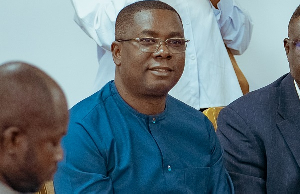 Dr Gideon Boako is the Deputy Ranking Member of Parliament’s Finance Committee