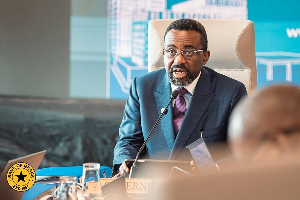
Presidential Envoy for Reparations, Ekwow Spio-Garbrah, has stated that some countries may be resisting the United Nations motion on reparations because of fears that acknowledging slavery as a crime would trigger dire sanctions.
His comment follows the motion which was presented to UN by President John Dramani Mahama on March 25, 2026, calling for renewed global commitment to reparative justice for African countries and descendants of victims of the transatlantic slave trade.
The resolution sets the stage for a structured dialogue to address slavery’s enduring social, economic, and cultural impact on affected countries.
During an interview on Channel One TV on Tuesday March 31, 2026, Spio-Garbrah said some countries were hesitant to back the motion because of the legal and moral implications it comes with.
“People are in denial. There are criminals who don’t accept that they committed a crime,” he said.
FULL TEXT: Read Ghana's UN resolution on slavery that defied the West
He further explained that, the addition of the word “crime” in the motion was not accepted by some countries; arguing it could imply responsibility and potential punishment.
“Once you’ve committed a crime and you’ve acknowledged it, the expectation is that you will be punished. And so, they don’t know what punishment is coming their way, and so they will not accept it,” he stated.
Spio-Garbrah indicated that, this line of thinking explains why several European countries chose to abstain rather than vote.
“They know they have committed offenses. History proves it. Their own textbooks prove it. But they are better off just not voting for or against,” he said.
SO/VPO
General News of Wednesday, 1 April 2026
Source: www.ghanaweb.com
Spio-Garbrah on why some nations are unwilling to accept UN slavery resolution
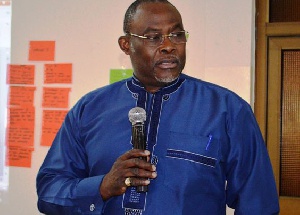 Ekwow Spio-Garbrah is the Presidential Envoy for Reparations