Business News of Wednesday, 10 December 2025
Source: thebftonline.com
Producers commend GH¢6.9 billion oil palm development regime

Government’s plan to invest GH¢6.9 billion for an Integrated Oil Palm Development Policy has been hailed by sector stakeholders as an holistic strategy that will leapfrog the commodity’s value chain.
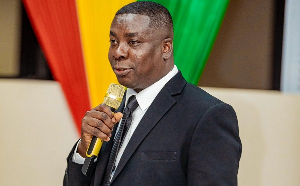
President of Oil Palm Development Association of Ghana, Samuel Avaala, speaking to the B&FT, said the association was well-consulted about the planned investment.
Minister of Finance, Dr Cassiel Ato Forson, in presenting the 2026 budget to parliament, outlined government’s plan to cultivate 100,000 hectares of new oil palm plantations and create over 250,000 direct and indirect jobs.
The policy aims to achieve self-sufficiency in palm oil production while promoting gender inclusion and youth participation across the value chain.
The initiative will be implemented by the Tree Crops Development Authority (TCDA) in collaboration with the Oil Palm Research Institute and private sector partners.
Government noted that the policy is designed to make Ghana the palm oil hub of West Africa, with support for smallholders through improved seedlings, access to finance and processing technology to ensure inclusive growth.
Aside from a GH¢6.9billion allocation to implement the policy – a major financing intervention that sits at the heart of this strategy – is the establishment of an extra dedicated US$500million Oil Palm Development Finance Window.
This fund, which is in partnership with the World Bank, other development finance institutions (DFIs) and Development Bank Ghana (DBG), aims to break the financing trap associated with long gestation crops – which include oil palm.
CID and BoG arrest 41 in Accra crackdown on illegal forex trading
This facility is expected to provide long-tenure loans with a five-year moratorium on both principal and interest, concessional rates and financing for up to 70 percent of project costs for qualified investors and oil palm farmers.
The plan is to counter the fact that conventional short term commercial loans are ill-suited for crops that take nearly seven years to reach full maturity.
Avaala admitted that the budget’s approach toward oil palm development closely mirrors principles the OPDA has championed for several years.
“Government’s focus on patient, long-term capital and inclusion of smallholder farmers aligns closely with what we’ve been calling for,” he said.
Providing accessible financing, according to Avaala, represents a crucial shift in agricultural policy that recognises the unique characteristics of tree crop production.
The association is optimistic that the huge investment and additional money for financing smallholders will develop the value chain from production, refinery, processing and research to truly merit an integrated oil palm development policy.
Ghana currently imports nearly 200,000 metric tonnes of crude palm oil each year, costing the nation over US$200million.
As implementation begins next year, stakeholders including farmers, researchers, investors and policymakers will closely monitor progress toward the ambitious targets set for 2032.
All you need to know about Ghana's new vehicle number plates |BizTech:







Opinions