The Executive Director of Eduwatch, Kofi Asare, has identified low teacher motivation, particularly the chronic delay in paying intervention allowances, as a major factor behind the poor student outcomes in the West African Examinations Council’s (WAEC) 2025 WASSCE, especially in Mathematics.
Speaking on TV3’s The Key Points on December 6, 2025, Asare urged the government to urgently prioritise the payment of these arrears to prevent further decline in performance, citing a research conducted by his organization; Eduwatch.
He emphasised that teachers responsible for special intervention programmes, which are essential for completing the syllabus under the Double Track system, frequently receive their allowances far later than expected.
2025 WASSCE: Eduwatch calls for ban on student phone use
"The teachers who have been doing the intervention every year are normally paid at the beginning of the next year. So, in January 2025, government should have paid teachers their intervention money for the work they did in 2024. It wasn't paid. So that could have contributed to the poor performance," he pointed to a specific payment backlog.
He stressed that these intervention hours are vital because the Double Track system already restricts the number of contact days students spend in school.
"So, it is only when the intervention works well, meaning teachers doing more work than they are paid to do, that we are able to cover the entire syllabus," he added.
The Executive Director of Eduwatch expressed expectation that the Ghana Education Service (GES) would address the issues swiftly.
"It is my expectation that both 2024 and 2025 should be given to them by the end of the year. We shouldn't take this thing lightly because... we must make sure that we motivate the teachers," he stated.
He also commented on the ongoing political debate surrounding the poor WASSCE results, where some attribute the decline to tighter invigilation, while others argue previous good results were due to high malpractice.
2025 WASSCE: NOV/DEC scheduled for January 2026, registration is ongoing – WAEC
He acknowledged that enhanced invigilation does correlate with lower malpractice rates.
Referencing his organisation's study, he noted, "Teachers indicated that the second top reason was that there was strong invigilation. So that can affect malpractice. Now, the model we use at the end of the day is to ascertain this correlation; and that is what we call our little model.”
MRA/EB
Meanwhile, as the BBC moves the home of its Focus on Africa Podcast to Nairobi, GhanaWeb's Etsey Atisu connected with the host for an exclusive interview on The Lowdown. Watch it here:
General News of Saturday, 6 December 2025
Source: www.ghanaweb.com
Prioritise teacher motivation to curb poor WASSCE performance - Eduwatch to govt
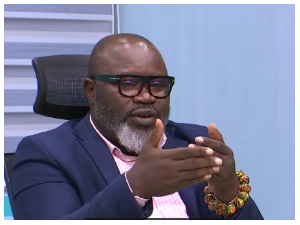 Kofi Asare is the Executive Director of Eduwatch






Opinions