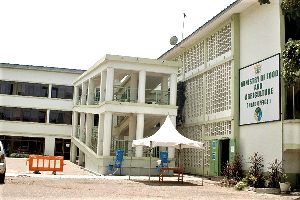
As part of efforts to promote personal hygiene, healthy living and disease prevention among school children in Accra, the Danish Children Fund and the Hansen Road Seventh-day Adventist (SDA) School has put together a Personal Hygiene Week to educate, inform and sensitise students on environmental cleanliness and menstrual health management.
The initiative seeks to inspire youngsters to take bold initiatives and steps to help combat the growing canker of over preventable diseases that continue to affect children and young people due to poor hygiene practices.
Speaking at the Week celebration, the Local Manager of the Hansen Road SDA Church Samuel Emmanuel Thompson said the program is to empower students with practical knowledge that would help them adopt healthier lifestyles and become agents of change within their communities.
According to him, personal hygiene extends beyond cleanliness and plays a critical role in protecting individuals from infections, communicable diseases and other health complications.
“Many people are losing their lives to diseases that can easily be prevented through good hygiene practices. Personal hygiene is not something complicated or expensive; it is a way of life. When children learn how to care for their bodies, maintain clean surroundings, wash their hands regularly and practice proper hygiene habits, they protect themselves and others from disease. By investing in these young people today, we are laying the foundation for a healthier Ghana tomorrow,” he said.
He further stressed the importance of educating adolescents on proper body care, oral hygiene, handwashing and menstrual health, adding that healthy children are better positioned to succeed academically and contribute positively to society.
For his part, the Headmaster of the School, Henry Quaye mentioned that most students in the school most of the pupils come from areas where sanitation challenges remain a major concern, making hygiene education a necessity rather than an option.
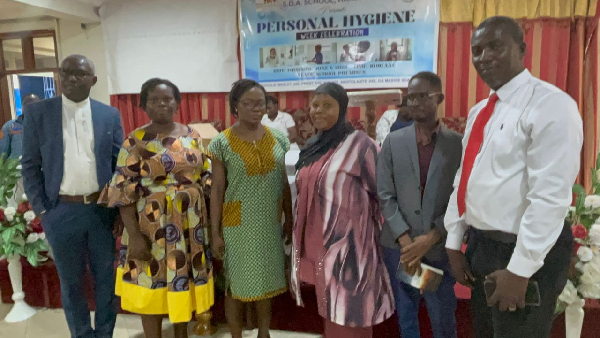
He government and development partners to extend support to private schools, particularly in areas such as menstrual hygiene education and the provision of hygiene materials, noting that all schools have a role to play in safeguarding children's health.
“This programme is about creating a ripple effect that extends far beyond the classroom. We expect every child who participated today to become an ambassador of personal hygiene in their home, among their peers and within the wider community. When schools, parents and community leaders work together to reinforce these lessons, we can significantly reduce preventable diseases and raise a generation that values health, cleanliness and personal responsibility,” he added.
Senior Nursing Officer at Princess Marie Louise Children's Hospital, Josepha Adotey, urged girls to use approved sanitary products and maintain proper hand hygiene before and after changing sanitary pads to prevent infections and promote good reproductive health.
“Menstruation is a normal part of every woman's life and should never be a cause for shame. Girls must feel comfortable seeking guidance from parents, teachers or trusted adults when they experience their first period. With proper education, access to sanitary pads and good hygiene practices, every girl can manage her menstrual health confidently, safely and with dignity.”
Regional News of Friday, 5 June 2026
Source: Dickson Boadi, Contributor
Menstrual health and hygiene remain a top priority - Danish Children's Fund
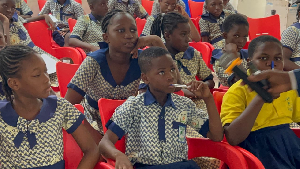 Students of the Hansen Road Seventh-day Adventist