The Planned Parenthood Association of Ghana (PPAG), in partnership with the UNFPA, has organised a targeted sexual and reproductive health (SRH) education programme for adolescent boys and girls living with disabilities in the Anloga District of the Volta Region.
The engagement, held after Christmas at the Anloga District Assembly Hall, formed part of efforts to reach vulnerable adolescents who are often excluded from mainstream sexual and reproductive health education and interventions.
The programme featured a series of educational discussions and interactive sessions, during which health professionals and facilitators engaged participants on the prevention of sexually transmitted infections (STIs), sexual and reproductive rights, family planning methods, and strategies for preventing teenage pregnancy.
The initiative is part of a broader project jointly implemented by PPAG and UNFPA, which seeks to equip young and wise adolescent clubs and disability schools with practical knowledge to enable them to make informed life choices, safeguard their health, and contribute meaningfully to youth-led change within their communities.
According to the organisers, adolescents living with disabilities are frequently marginalised in sexual and reproductive health programming, despite being equally vulnerable to abuse, misinformation, and health risks.
The project was therefore carefully and deliberately designed to address this gap by ensuring inclusive access to accurate and age-appropriate SRH information.
Gloria Agbofa, a Public Health Nurse at the Anloga District Health Directorate, while delivering the health education, advised participants to refrain from behaviours that could expose them to sexually transmitted infections.
She further cautioned against unsafe and illegal abortion practices, explaining that such actions could lead to serious health complications and long-term consequences.
Agbofa also educated participants on how to seek guidance from health professionals, properly access and use available family planning methods, and warned adolescent girls against the misuse of emergency contraceptive pills, stressing the importance of responsible and informed decision-making.
Christopher Makam, the Volta Regional Focal Person for the project, in explaining the rationale behind the choice of target group, the Ghana News Agency, said the initiative was intentionally structured to reach those most often overlooked.
“Most of the time, we engage adolescents in these educational activities, but skip the most vulnerable. This project deliberately targets adolescents living with disabilities to equip them with information on sexual and reproductive health, sexually transmitted infections, and related issues, so they can become agents of change and help mitigate the rising trends in these challenges,” Makam said.
The programme was attended by a cross-section of boys and girls aged between twelve and nineteen years, living with various forms of disabilities.
Participants expressed appreciation for the initiative, describing it as informative, empowering, and relevant to their personal development and well-being.
The organisers said their commitment to inclusive health education, noting that leaving no adolescent behind remains central to achieving improved sexual and reproductive health outcomes at the community level.
Health News of Sunday, 28 December 2025
Source: GNA
PPAG, UNFPA engage adolescents with disabilities in Anloga
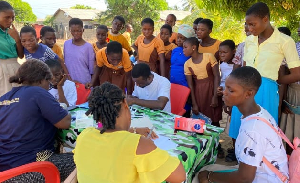 The Planned Parenthood Association of Ghana educated young girls on sexual and reproductive health


Entertainment

Singer Chichi survives ghastly Car accident in US

Opinions