Security analyst Irbard Ibrahim has cautioned that the outcome of Asantehene Otumfuo Osei Tutu II’s mediation effort regarding the protracted Bawku crisis should not be viewed as a contest, such as a match between Accra Hearts of Oak and Kumasi Asante Kotoko, where one side can unequivocally claim victory.
Ibrahim made this observation in light of recent jubilation by representatives of the two feuding factions in the long-standing Bawku chieftaincy dispute, emphasising that premature claims of success are unfounded.
Asantehene Otumfuo Osei Tutu II recently concluded his final sessions of the high-level mediation process aimed at resolving the Bawku conflict.
The culminating meeting was held at the Manhyia Palace in Kumasi on Monday, December 1, 2025, with representatives from both the Kusasi and Mamprusi factions in attendance.
Following the meeting, followers from both sides were observed pouring powder on themselves and celebrating, with each faction seemingly claiming a definitive victory.
However, Irbard Ibrahim firmly maintains that the nature of the process means no side can declare an outright win.
Speaking on Nyankonton Mu Nsem on Rainbow Radio 87.5FM, he explained that the “role assigned to the Asantehene was mediation, not arbitration.
"In arbitration, one listens to both sides and delivers a ruling determining the successful party. However, in mediation, there are no winners or losers.
"Thus, I was somewhat surprised that each side was celebrating and claiming to have secured victory. This is not a Hearts of Oak versus Kotoko game where one side secures victory.”
He stressed that mediation necessitates compromises; each side must agree to relinquish certain demands for the greater collective good. Therefore, “nobody should expect that the outcome of the mediation will pronounce one side as the sole owner of the area.”
The analyst opined that the current mediation effort may not offer a complete resolution to the crisis.
He proposed that the mediation must be sustained, and concurrent efforts should be deployed to facilitate a face-to-face dialogue between the paramount chiefs leading the two factions.
Ibrahim lamented the significant financial and resource drain the state is incurring in managing the Bawku crisis, noting that this protracted conflict is actively depriving the area of crucial investments and development.
He concluded with an appeal to the populace to allow the conflict to cease, enabling the return of peace, especially considering the tragic loss of lives that the conflict has caused.
Regional News of Friday, 5 December 2025
Source: rainbowradioonline.com
Otumfuo's mediation not a Hearts-Kotoko match for anyone to claim victory - Analyst
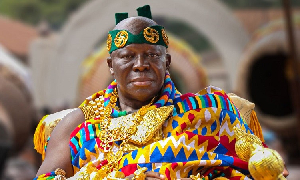 Otumfuo Osei Tutu II is the Asantehene