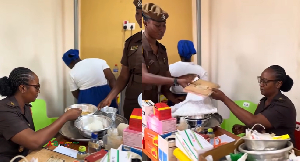
A single taste of food may appear insignificant, but inside Ghana’s prisons, it forms part of a procedure designed to protect the health of inmates. A video showing a senior prison officer sampling food prepared for prisoners and signing a ration book has brought attention to the checks that must take place before meals are distributed.
The practice is not simply about tasting food. It is part of an accountability system intended to ensure that meals served to people in custody are fit for human consumption. According to a report published by Graphic Online, Ghana Prisons Service Standing Order 263 requires the superintendent and medical officer to taste and sign the ration book, with the medical officer empowered to declare food unfit for consumption. In such a case, the superintendent must immediately arrange for the affected portion to be replaced.
The requirement is significant because inmates depend on the prison authorities for their daily meals. Unlike people living outside prison, they cannot freely choose where to buy food, inspect the kitchen or decide whether to eat what is served. The responsibility for providing safe and adequate meals therefore rests heavily on the institution holding them in custody.
Ghana’s legal framework recognises this obligation. The Prisons Service Decree, 1972 (NRCD 46), provides for prisoners to receive wholesome and nourishing food in quantities sufficient to maintain good health. It also requires consideration of the nature of an inmate’s work and health when determining adequate food quantities. The Ghana Prisons Service itself identifies the welfare of prisoners as one of its core functions.
These provisions make food inspection more than a routine administrative exercise. They establish a duty of care that must be taken seriously, regardless of the offence for which an individual has been imprisoned.
However, tasting a meal cannot, by itself, guarantee that it is safe. Food may appear normal and taste acceptable while still containing harmful microorganisms or contaminants. Proper food safety also depends on hygienic preparation, clean utensils, safe storage, adequate cooking temperatures, protection from contamination and appropriate handling before distribution.
The inspection process must therefore be understood as one layer of protection, not a substitute for comprehensive kitchen hygiene and medical oversight. The signing of the ration book also matters because it creates a record of the inspection and helps establish responsibility for the food being served.
The public should also distinguish between a procedure shown in a video and evidence that the procedure is consistently followed across every prison establishment. The footage offers a glimpse into the system, but it does not independently establish the quality, nutritional value or safety of every meal served to inmates nationwide.
That distinction matters in a country where prison welfare, food provision and the adequacy of feeding resources have previously attracted public discussion. A report by MyJoyOnline in 2018 described how the Ghana Prisons Service supplemented government-provided food with produce from its agricultural activities. The figures and funding arrangements cited in older reports should not, however, be treated as current without updated official confirmation.
The real test of Ghana’s prison food system is not whether an officer takes a bite before a meal is served. It is whether the system consistently delivers safe, nutritious food in adequate quantities, records inspections honestly and acts immediately when a problem is identified.
Inmates may have lost their freedom, but they have not lost their entitlement to humane treatment. Ensuring that their meals are safe is not a favour to prisoners; it is a basic responsibility of the state.
One bite before hundreds eat may be a small act. The accountability behind that bite must be much bigger.
EA
Editorial News of Thursday, 29 October 2026
Source: www.ghanaweb.com