Dr. Josephat Nyuzaghl, the Upper West Regional Director of the Ghana Health Service, has disclosed that the Region has recorded eleven confirmed cases of meningitis and six deaths as of week 10 of 2026.
He said the eleven cases were confirmed out of 57 suspected cases reported across the region but assured that no district had so far experienced an outbreak of the disease in 2026.
Dr. Nyuzaghl gave the update on the Meningitis situation at the opening of the 2025 Upper West Regional Health Sector Performance Review held in Wa on Tuesday.
“Let me reassure all of you that so far in 2026, no district has experienced an outbreak of meningitis”, he stated.
The Health Director indicated that they had intensified surveillance systems to promptly detect and respond to suspected cases.
He emphasised that treatment for meningitis in the region was free of charge and urged members of the public to report early to health facilities when they experienced symptoms of the CMS to enable prompt diagnosis and management.
The Upper West Region experienced a meningitis outbreak in 2025 with a total of 269 suspected cases recorded, of which 36 were confirmed, with 18 deaths.
Dr. Nyuzaghl said coordinated interventions by the Ghana Health Service and the Regional Health Directorate, coupled with strong stakeholder collaboration and media sensitisation, contributed to bringing the outbreak under control in 2025.
The Regional Health Director expressed appreciation to stakeholders for their diverse roles in helping to manage the meningitis situation in the region.
Other concerns within the health sector, which Dr. Nyuzaghl mentioned, included a high attrition rate among health personnel and the unwillingness of health personnel to accept posting to the region.
“The region lost 190 staff in 2024 and 194 staff in 2025 to inter-regional posting. Sadly, in 2025, only 30 staff were posted in from other regions.
“In the case of doctors, I wish to report sadly that out of the 25 medical officers who were posted in 2025, none reported at the end of 2025.
However, in 2026, earlier this year, after frantic efforts, three of them reported and have since been posted”, he observed.
Dr. Nyuzaghl, therefore, stressed the need for stronger collaboration among stakeholders in the region to reverse the trend.
Health News of Tuesday, 17 March 2026
Source: GNA
Meningitis: Upper West Region records 11 confirmed cases, 6 deaths
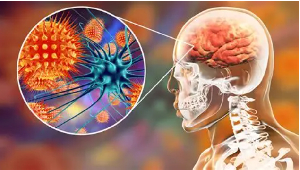 Meningitis is an inflammation of the protective membranes covering the brain and spinal cord