Correspondence from the Eastern Region
A private legal practitioner, Charles Owusu Juanah, has issued a strongly worded statement criticizing what he describes as inconsistency in the government’s handling of the ongoing national debate on LGBTQ+ issues.
Juanah, who serves as National Chairman of Friends of Bawumia (FoB) ‘08 and is known for his advocacy on constitutional integrity and public accountability, expressed concern over what he sees as a shift in tone by the current administration compared to its stance while in opposition.
According to him, the government’s current posture on LGBTQ+ matters raises “serious concerns about consistency, leadership integrity, and respect for the collective conscience of the Ghanaian people.”
Allegations of Policy Inconsistency
In his statement, Juanah referenced the period when the National Democratic Congress (NDC) was in opposition, highlighting its support for a Private Member’s Bill on LGBTQ+ issues spearheaded by Sam Nartey George, MP for Ningo-Prampram and currently, the Minister of Communications, Digital Technology and Innovations and backed by members of the party’s parliamentary caucus.
He noted that prominent figures, including Emmanuel Bedzrah, had at the time publicly criticized then-President Nana Addo Dankwa Akufo-Addo for allegedly failing to assent to the bill. These criticisms, Juanah argued, were widely communicated to religious groups and the broader public.
He further contended that the issue was framed in moral and cultural terms during that period, which, in his view, contributed to heightened public sensitivity and division.
Response to President Mahama’s Remarks
Juanah’s concerns follow recent comments by President John Dramani Mahama, who reportedly described the LGBTQ+ matter as “not a priority.” The legal practitioner argued that this position contrasts sharply with the urgency previously attached to the issue by the same political actors.
“A nation cannot be governed on the shifting sands of convenience,” the statement said, emphasizing the need for consistency and principled leadership.
Questions Raised Over Silence of Key Figures
The statement also pointed to what Juanah described as the “conspicuous silence” of some government officials who were previously vocal on the matter. He specifically questioned whether earlier convictions had been “subordinated to comfort,” particularly in reference to leading advocates of the bill.
He suggested that the apparent lack of commentary from key figures signals a retreat from previously held positions rather than a deliberate policy recalibration.
Call for Clarity and Leadership
The legal practitioner called on the government to provide a clear and unequivocal stance on the issue, urging leaders to align their current actions with past commitments. He stressed that public trust depends on transparency, consistency, and accountability.
“The Ghanaian people deserve clarity,” he said, adding that issues once presented as urgent should not be sidelined without explanation.
Broader Implications for Governance
The statement concluded by warning that inconsistency in addressing matters of national importance could erode public confidence and weaken democratic accountability. Mr. Juanah emphasized that leadership should be judged not by rhetoric in opposition but by actions taken while in power.
Regional News of Thursday, 2 April 2026
Source: www.ghanaweb.com
Lawyer criticises government over 'inconsistent' LGBTQ position
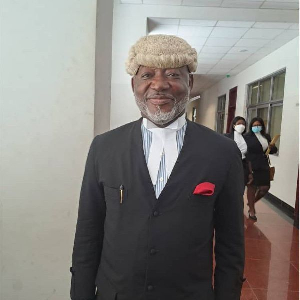 The legal practitioner called on the government to provide a clear and unequivocal stance on LGBTQ+