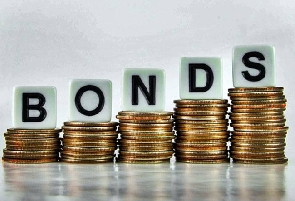
Government is preparing a second early redemption window in December 2026 for holders of February 2027 Domestic Debt Exchange Programme (DDEP) bonds, as it intensifies efforts to settle the outstanding principal before the end of the year and reduce its domestic debt obligations entering 2027.
The decision follows a first voluntary buyback exercise in November, which attracted tenders covering GH¢12.6 billion, representing 44.1 percent of the eligible principal of GH¢28.58 billion.
Government subsequently paid GH¢12.89 billion on November 26, comprising the tendered principal and GH¢289 million in accrued interest.
The Ministry of Finance has indicated that the offer will reopen approximately two weeks after the first transaction, providing investors who retained their securities with another opportunity to receive their principal ahead of the scheduled February 16, 2027 maturity.
The renewed exercise forms part of government’s broader domestic debt management strategy, which seeks to reduce the concentration of large repayment obligations falling due in 2027 while demonstrating its improved capacity to meet financial commitments.
The February 2027 DDEP maturity comprises approximately GH¢29 billion in principal and GH¢11.1 billion in interest, bringing the total obligation to about GH¢40.1 billion.
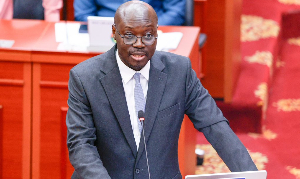
Finance Minister Dr Cassiel Ato Forson disclosed during the presentation of the 2027 Budget that the Cedi Sinking Fund had accumulated GH¢29 billion as of November 11, providing sufficient resources to cover the principal repayment.
Government’s intention to settle the principal before the end of 2026 would therefore allow it to enter the new year with a significantly reduced domestic debt repayment burden.
The successful settlement of the first buyback has also provided evidence of government’s ability to mobilise and disburse substantial funds to meet its domestic debt obligations.
This could strengthen investor confidence ahead of the December exercise, particularly among bondholders who may have been uncertain about the government’s ability to complete the transaction within the announced timeframe.
However, the relatively low participation in November indicates that financial capacity alone may not be sufficient to persuade investors to surrender their holdings.
The December window could benefit from improved participation because of the seasonal liquidity requirements of financial institutions.
Banks, insurance companies, pension fund managers and asset managers generally undertake significant balance-sheet adjustments towards the end of the financial year.
These include meeting operational obligations, settling claims and benefit payments, managing customer withdrawals and ensuring compliance with liquidity and other regulatory requirements.
For such institutions, receiving cash from early redemption could provide additional flexibility in managing year-end financial commitments.
Insurance companies, for instance, may require funds to settle policyholder claims, while pension fund managers must balance contributions, benefit payments and investment portfolio requirements.
Banks also have to maintain adequate liquidity to meet customer and counterparty obligations while managing their year-end balance sheets.
The additional time available before the second window could further improve participation by allowing institutional investors to undertake the necessary assessments and obtain internal approvals.
The November exercise followed government’s November 12 announcement and opened on November 23, leaving a relatively short period for some institutions to evaluate the offer.
For large institutional holders, decisions to surrender government securities often require approval from investment committees, boards, trustees and risk-management structures.
Pension funds and insurance companies must also consider investment mandates, asset-liability matching, portfolio valuations and applicable regulatory requirements before participating.
A December reopening announced with sufficient notice could therefore provide more time for these processes to be completed.
Nevertheless, government faces the challenge of balancing its debt reduction objectives with the financial interests of investors.
The February 2027 bonds carry an annual coupon of 8.23 percent, significantly higher than prevailing Treasury bill rates of 4.52 percent for the 91-day instrument and 6.12 percent for the 182-day bill following the Bank of Ghana’s November policy rate reduction to 11 percent.
This makes retaining the bonds attractive to investors who can afford to wait until the original maturity date rather than reinvest their funds at lower rates.
Government’s GH¢100-per-GH¢100-face-value redemption price, plus accrued interest, may also limit participation among investors who believe the securities are worth more in the secondary market.
The December exercise will consequently depend on whether year-end liquidity requirements, improved payment confidence and additional time for institutional approvals outweigh the financial benefits of holding the bonds until February.
While the first transaction has demonstrated government’s capacity to repay investors, the second window will test its ability to persuade the remaining bondholders that early redemption is in their best financial interests.
Business News of Sunday, 29 November 2026
Source: businesspostonline.com
Government targets more DDEP bondholders with December buyback window
 Government is preparing a second early redemption window in December 2026