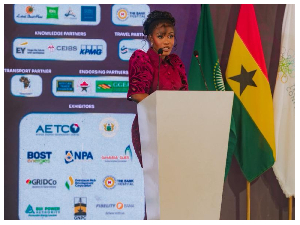
Government officials, researchers, civil society representatives, and youth advocates met in Accra on Wednesday August 6, 2025, for the Ghana inception workshop of the African Youth Pathways to Resilience and Systems Change (AYPReS) programme, an initiative aimed at tackling the continent’s persistent youth unemployment challenge.
The event was part of a ten-country research effort by the Partnership for African Social and Governance Research (PASGR) in collaboration with the Mastercard Foundation.
The programme seeks to identify what drives youth resilience and how lived experiences can inform more effective and inclusive employment policies.
Theodore Mawuli Amezah, Senior Planning Officer at the Ministry of Labour, Jobs and Employment, noted that youth unemployment in Ghana and across Africa manifests in precarious work, outright joblessness, and limited economic opportunities.
He stressed the need for deeper insights into the perspectives of marginalised groups, including refugees and displaced persons, persons with disabilities, rural young women, and youth in informal work.
“Brainstorming young people’s unique perspectives can lead to workable solutions to the unemployment challenges we face,” he said.
Professor Fadel Ndiame, Executive Director of PASGR, said one goal is to ensure that these voices are not overlooked in strategies to address unemployment.
Programme Officer Rose Njage explained that the initiative targets youth aged 35 and below, with specific attention to young people with disabilities, refugees, and women facing social and economic challenges.
In Ghana, the research will be anchored by a Utafiti Sera House, a forum for ongoing dialogue between researchers, policymakers, and other stakeholders.
This model aims to bridge the gap between evidence and policymaking through multi-actor engagement.
The workshop provided an opportunity for stakeholders to refine research objectives, align them with national priorities, and agree on methods for gathering evidence that could influence policy.
Following the inception meeting, the programme team is expected to hold follow-up visits with selected stakeholders to strengthen partnerships and sustain engagement during the research process.
The AYPReS programme is also being implemented in Kenya, Uganda, Rwanda, Ethiopia, Nigeria, Senegal, Benin, Togo, and Côte d’Ivoire.
GA
Meanwhile, watch below the trailer for GhanaWeb’s upcoming documentary on teenage girls and how fish is stealing their futures:
General News of Friday, 8 August 2025
Source: www.ghanaweb.com
Ghana hosts stakeholder talks on youth, disabled and refugee employment
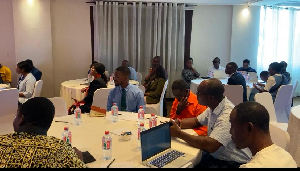 The event was part of a ten-country research effort by PASGR) in collaboration with the Mastercard