Broadcaster Paul Adom-Otchere has outlined some potential economic benefits Ghana could derive if President John Dramani Mahama decides not to renew Gold Fields’ lease to operate the Tarkwa gold mine.
He argues that placing the mine under greater state control could enable Ghana to retain a larger share of its gold output and use the proceeds to support the economy.
Seth Terkper explains why government cannot meet all spending demands
Speaking during a discussion on the mining sector on Metro TV on Thursday, November 26, Adom-Otchere said Ghana should exercise greater control over its natural resources rather than allow foreign companies to benefit from long-term mining arrangements without adequate returns to the country.
He noted that Gold Fields had operated the Tarkwa mine for about 30 years and argued that the next phase should involve greater state participation in the management and ownership of the country's mineral resources.
According to him, greater local ownership of the mine could increase the volume of gold available to the Bank of Ghana to support its foreign exchange reserves and strengthen the cedi.
He further suggested that increased gold revenues and improved foreign exchange reserves could potentially contribute to lower prices of goods and services, including fuel, transport fares, building materials, vehicle spare parts and imported raw materials.
“Your fuel price will go down if Ghana has a lot of gold,” he said, explaining the potential economic impact of greater state control of gold production.
Adom-Otchere also argued that gold produced at Tarkwa could be channelled through the Bank of Ghana to support the country's currency, rather than allowing a significant portion of the proceeds to accrue to foreign interests.
He suggested that if the government takes over the mine, the state could gain access to a greater share of its gold output, potentially increasing the amount of gold available to the Bank of Ghana for reserve accumulation.
“If we add 70 percent of what Gold Fields was giving to Ghana, now we are going to have everything. All that goes to the Bank of Ghana,” he said.
ANAS/MA
“We Like the Design, Release It Now” – Ghanaians React to New Currency Notes
Business News of Friday, 27 November 2026
Source: www.ghanaweb.com
Ghana could gain more from Tarkwa Mine under state control - Adom-Otchere
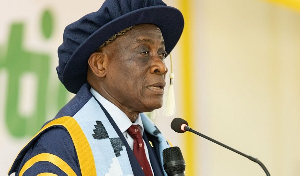
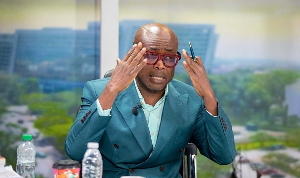 Paul Adom-Otchere is a broadcaster in Ghana


Entertainment