The Ghana Journalists Association (GJA) is once again calling for the long-awaited Broadcasting Bill to be passed, describing it as a crucial step toward modernising and properly regulating Ghana’s radio industry.
In a statement issued on Friday, February 13, 2026, to mark World Radio Day 2026, and signed by GJA President Albert Kwabena Dwumfour, the Association said the absence of a comprehensive broadcasting law remains one of the biggest unresolved challenges facing the sector.
“The Broadcasting Bill, pending since 2009, remains a critical reform instrument necessary to modernise, regulate, and strengthen the industry,” the statement said.
For the GJA, the matter goes beyond policy paperwork.
The Association stressed that a strong, independent and well-regulated radio sector is essential to Ghana’s democracy and national development.
It therefore urged the Executive, Parliament and all relevant stakeholders to treat the passage of the bill as a national priority.
The call comes at a time when the GJA joins UNESCO and the rest of the world to celebrate World Radio Day 2026 under the theme, “AI is a Tool, Not a Voice.”
The Association described the theme as both timely and thought-provoking, especially at a time when artificial intelligence is increasingly finding its way into newsrooms and broadcasting studios.
According to the GJA, while AI can support media work, it cannot replace the human judgment, ethics and professionalism that give radio its credibility and public trust.
“It is human editorial responsibility that keeps radio authentic and accountable,” the statement emphasised.
The Association noted that radio remains Ghana’s most accessible and far-reaching medium, connecting bustling cities and remote communities alike.
From health updates and education programmes to discussions on security, the economy and climate change, radio continues to inform, educate and unite the public.
It also plays a vital role in strengthening democracy by promoting dialogue and holding leaders accountable.
The GJA used the occasion to congratulate radio journalists, presenters, producers, editors, technicians and support staff across the country for their dedication and resilience.
We criticised Akufo-Addo, so why do we blame Mahama for ministerial snub? - Nketiah
It described Ghana as having one of the most vibrant radio landscapes in Africa, a success story built on hard work and passion.
The Association also acknowledged the efforts of private radio station owners, including commercial and community broadcasters, many of whom operate under significant financial and operational pressures.
Despite limited revenue, high operational costs, regulatory uncertainties and stiff competition, the GJA said these station owners have continued to invest in local content, multilingual programming, job creation and grassroots development.
However, the GJA urged radio professionals not to lose sight of their core values in the face of rapid technological change.
NA/VPO
General News of Friday, 13 February 2026
Source: www.ghanaweb.com
Ghana Journalists Association urges swift passage of broadcasting bill
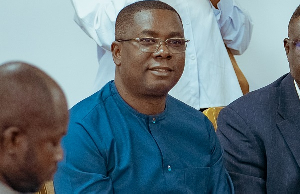
 President of the Ghana Journalist Association, Albert Kwabena Dwumfour