The Executive Director of the Educate Africa Institute (EAI), William Boadi, has called on the Ghana Education Service (GES) to introduce Social Media Literacy Education into the country's basic and secondary school curriculum to equip students with the skills needed to navigate the digital world responsibly.
According to the experienced educator, the rapid advancement of technology has fundamentally changed how young people communicate, learn, and engage with society.
He noted that while social media has become an integral part of the lives of many school-going children, most students have not received formal education on how to use digital platforms safely, responsibly, and productively.
In a statement on June 5, 2026, Boadi stressed that the growing influence of social media presents both opportunities and challenges for learners, making digital literacy education a necessity rather than an option.
"Many young people are exposed to misinformation, cyberbullying, online scams, internet fraud, hate speech, and inappropriate content without possessing the critical thinking skills required to identify and avoid these dangers," he said.
He observed that social media has increasingly become a source of distraction, emotional distress, and academic decline among some students.
Rather than discouraging students from using social media, he argued that schools should focus on teaching them how to maximize its benefits while minimizing associated risks.
‘Banning dildos could lead to the collapse of many marriages’ - Nana Yaa Jantuah
"The digital world is not going away; therefore, learners must be prepared to thrive within it," he added.
Boadi outlined several benefits of introducing Social Media Literacy Education into schools.
He said the programme would promote responsible digital citizenship by helping students understand ethical online behaviour, respect for others, and responsible content sharing. This, he noted, could help reduce incidents of cyberbullying and online misconduct.
He further explained that social media literacy would strengthen critical thinking skills by enabling learners to identify fake news, misinformation, and manipulated content in an era where false information spreads rapidly online.
The educator also highlighted the academic benefits of social media when used appropriately, noting that students can access educational resources, online libraries, tutorials, academic discussions, and virtual learning communities that complement classroom learning.
In addition, he said students would gain essential knowledge about digital safety, including how to protect personal information, recognize online scams, maintain privacy, and avoid cyber threats.
Boadi emphasized that social media platforms can also serve as avenues for creativity, innovation, entrepreneurship, digital marketing, and personal branding when learners receive proper guidance.
He added that early exposure to responsible digital communication practices would improve career readiness, given that many modern professions require strong online engagement and digital communication skills.
The proposed curriculum, he noted, could also incorporate mental health awareness by teaching students how to manage screen time, avoid unhealthy social comparisons, and maintain a healthy balance between online and offline activities.
Furthermore, he said social media literacy could encourage civic participation by empowering young people to engage responsibly in national conversations, community development initiatives, environmental campaigns, and educational advocacy.
According to Boadi, introducing Social Media Literacy Education would position the Ghana Education Service as a forward-looking institution committed to preparing learners for the realities of the digital age.
He said the initiative would help reduce disciplinary challenges linked to irresponsible online behaviour while improving students' digital competence and aligning Ghana's education system with global best practices in technology and digital citizenship education.
"The future belongs to digitally empowered citizens. Social media is no longer just a platform for entertainment; it is a powerful tool for learning, communication, innovation, and national development," he stated.
He maintained that introducing Social Media Literacy Education in schools would not only protect learners from the dangers of the digital space but also unlock their potential to become informed, creative, and responsible digital citizens.
"The time to act is now," he said.
'He said he wanted to die' - Sister of Adenta building collapse victim speaks
General News of Saturday, 6 June 2026
Source: www.ghanaweb.com
GES urged to introduce social media literacy education in schools
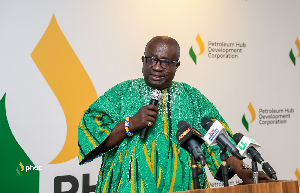
 Executive Director of the Educate Africa Institute (EAI), William Boadi