Deficit Hyperactivity Disorder (ADHD) is a neurodevelopment condition that affects the brain system responsible for attention regulation, impulse control, and activity levels.
It mostly begins in childhood, but symptoms usually persist through adolescence and adulthood
ADHD which is vastly recognised in current times in our society, remains one of the most misunderstood conditions, often mistaken for laziness, lack of discipline, or poor parenting.
In reality, ADHD reflects differences in brain development and function, particularly in areas involved in executive functioning, the mental processes that help people plan, attention span, regulate behaviour, and manage time.
ADHD affects how the brain interprets information and regulates behaviour.
People with ADHD often struggle to maintain consistent attention, control impulses, and regulate physical activity in ways that match expectations for their age or environment.
Therefore, ADHD is not simply about being distracted or hyperactive. It is a complex condition involving a network of cognitive processes including:
Attention regulation, working memory, emotional regulation, motivation and reward processing, task initiation and completion.
These processes are part of the brain’s executive function system.
ADHD symptoms generally fall into three primary categories.
EXPLAINER: Why Vitamin D3 is important to your health
1. Inattentiveness
Inattentiveness involves difficulty maintaining focus or organising tasks over time.
This can appear as frequent distractibility, trouble completing tasks, difficulty following multi-step instructions, forgetting daily activities, losing items such as keys, phones, or documents.
Importantly, people with ADHD can focus intensely on activities they find stimulating or rewarding a phenomenon sometimes called hyper-focus.
2. Hyperactivity
Hyperactivity involves excessive physical movement or restlessness. In children it often appears as:
* Constant fidgeting
* Running or climbing excessively
* Inability to stay seated
* Talking excessively
* Difficulty engaging in quiet activities
In adults, hyperactivity often becomes internal restlessness rather than obvious physical movement.
3. Impulsivity
Impulsivity refers to acting without fully considering consequences. Examples includes, Interrupting others during conversation, difficulty waiting for one's turn, making quick decisions without thinking them through, emotional outbursts, risk-taking behaviour.
Impulsivity is linked to challenges with self-regulation and delay.
Research has identified three primary presentations of ADHD.
1. Predominantly Inattentive Presentation
Symptoms mainly involve attention difficulties rather than hyperactivity. Common behaviours include, disorganisation, forgetfulness, difficulty sustaining focus.
2. Predominantly Hyperactive-Impulsive Presentation.
This type involves more hyperactive and impulsive behaviours than attention problems. Symptoms may include, excessive talking, restlessness, acting without thinking.
3. Combined Presentation
This is the most common form, involving symptoms from both inattentive and hyperactive-impulsive categories.
Causes and Risk Factors
Research indicate a combination of genetic, neurological, and environmental factors.
1. Genetics
ADHD has a strong genetic component. ADHD often runs in families. Genes affecting dopamine regulation appear particularly important.
2. Brain Structure and Function
Brain imaging studies reveal differences in several areas, including:
The prefrontal cortex, basal ganglia, cerebellum.These areas help regulate attention, impulse control, and reward processing.
3. Neurochemistry
ADHD is associated with differences in neurotransmitters, particularly dopamine and norepinephrine, which influence motivation, focus, and reward.
Medications used to treat ADHD often target these neurotransmitter systems.
Examples include stimulants such as methylphenidate and adderall. These medications increase neurotransmitter availability in key brain regions.
Environmental Factors
Certain factors may increase risk include:
* Premature birth
* Low birth weight
* Prenatal exposure to alcohol or tobacco
* Lead exposure in early childhood
* Early brain injury
However, environmental factors alone do not cause ADHD.
Diagnosis
Diagnosing ADHD involves a comprehensive clinical evaluation rather than a single test. Typically, the process includes:
* Behavioural assessments
* Clinical interviews
* Questionnaires completed by parents, teachers, or partners
* Review of developmental history
Diagnostic guidelines generally require that symptoms appear before age 12. They must persist for at least six months.
Difficulties occur in multiple setting such as school, home, or work.
Professionals who diagnose ADHD often include psychologists, psychiatrists, neurologists, and pediatricians.
ADHD Across the Lifespan
Childhood
Children with ADHD usually experience academic difficulties, where they find it difficult to pay attention in school or even perform well in school work. They seem to find problems following instructions or routines assigned to them. They also often get involved in social conflicts with peers.
Early identification can help prevent secondary issues such as low self-esteem.
During adolescence, ADHD may contribute to risk-taking behaviours, facing difficulty in managing schoolwork, emotional volatility and having social anxiety almost all the time.
Ghana unveils national Early Childhood Care and Development Policy (2025–2029)
Adulthood
Many adults also experience ADHD symptoms, though they may look different from childhood symptoms. Some common involves chronic procrastination, disorganisation, difficulty managing responsibilities, career instability, relationship challenges.
However, many adults develop strategies that help them manage symptoms effectively.
ADHD is highly manageable with appropriate support. Most treatment approaches combine multiple strategies.
1. Medication
Stimulant medications are often the most effective treatment. They improve focus and impulse control by enhancing dopamine and norepinephrine activity in the brain.
Non-stimulant medications may also be used when stimulants are ineffective or produce side effects.
2. Behavioral Therapy
Therapy helps individuals build skills like, organisation, time management, emotional regulation, planning and prioritisation. Parents of children with ADHD may also receive parent training programs.
3. Lifestyle Strategies
Daily habits can significantly improve symptom management by consistent sleep schedules, regular physical exercise, structured routines, minimising distractions, provide tasks into smaller steps.
Digital tools, planners, and reminders can also help support executive functioning.
Although ADHD presents challenges, it is increasingly recognised that many individuals with ADHD demonstrate unique strengths.
People with ADHD can be creative, they have very high energy and have absence of strong curiosity.
Many successful entrepreneurs, artists, scientists, and athletes attribute part of their success to the innovative thinking styles often associated with ADHD.
Public understanding of ADHD has grown significantly over the past two decades, yet misconceptions remain widespread.
Recognising ADHD as a legitimate neurodevelopment condition rather than a behavioral failing is essential for reducing stigma and improving access to support.
With proper diagnosis, treatment, and accommodations, individuals with ADHD can thrive academically, professionally, and personally.
SO/VPO
Minority Leader apologises to Interior Minister over security recruitment claims
Health News of Thursday, 5 March 2026
Source: www.ghanaweb.com
EXPLAINER: All you need to know about Deficit Hyperactivity Disorder (ADHD)
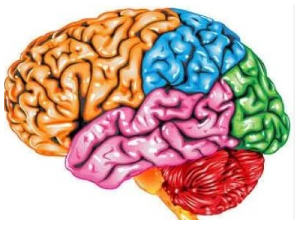 File photo of the brain




Entertainment