Deputy Minister of Education, Dr Clement Apaak, has reaffirmed his commitment to integrating the Buli language into Ghana’s basic school curriculum through a structured national process.
He made this known during a Builsa community stakeholder meeting, on April 11, 2026, aimed at developing a unified orthography for the Buli language, considered a critical step toward its formal inclusion in the education system.
Dr Apaak noted that Ghana’s national curriculum framework already provides room for mother-tongue instruction, particularly at the early stages of education, making the initiative both timely and feasible.
He explained that the process would require a careful progression through curriculum review, approval, and the development of teaching materials.
The System Produces Certificates, Not Competence: Ghana's silent education crisis
“The goal is for Buli to become a recognised language of instruction in basic schools serving Builsa communities,” he stated.
“That goal is achievable, but it requires a proper process; the unified orthography comes first, followed by curriculum review through National Council for Curriculum and Assessment (NaCCA), then materials development, and finally teacher training,” he added.
Dr Apaak emphasised that early-grade education presents the strongest case for introducing the language, citing research on the benefits of mother-tongue learning.
“Research consistently shows that children learn foundational literacy most effectively in their first language,” he said, adding that advocacy efforts would focus on kindergarten and lower primary levels.
He also underscored the importance of teacher preparation in ensuring the success of the initiative.
Dr Ibn Chambas calls for rethink of education system in Africa
“Curriculum inclusion without prepared teachers is an empty promise,” he noted.
“Discussions about Buli in schools must go hand in hand with how we train, certify, and deploy teachers who can teach it,” he added.
Beyond outlining the policy direction, Dr Apaak assured stakeholders of his commitment to advancing the initiative at the national level.
“The outcomes of this meeting will inform my contributions in Parliament, in committee discussions, in budget debates, and in relevant legislative engagements,” he said.
He further indicated plans to explore partnerships with development organisations to support the initiative, stressing that such efforts should not rely solely on government funding.
Dr Apaak emphasised that the success of the integration process will depend heavily on community participation and ownership.
He called on stakeholders, including traditional leaders and educators, to actively support the development of the unified orthography and contribute to language materials.
“This project cannot succeed on academic expertise alone. It requires the active participation and ownership of the entire Builsa community,” he said.
The development of a unified orthography is expected to ensure consistency in writing the Buli language, enabling the production of textbooks, effective teacher training, and standardised instruction across schools in the area.
VPO/EB
RNAQ Divorce: Court awards ex-wife GH¢300k, dismisses GH¢50m settlement claim
General News of Sunday, 12 April 2026
Source: www.ghanaweb.com
Dr Apaak reiterates support to integrate Buli into basic school curriculum
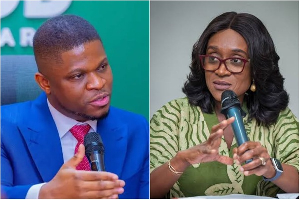
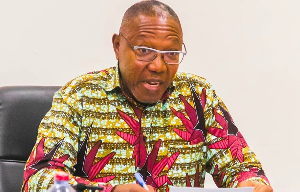 Dr Clement Apaak is the Deputy Minister of Education


Entertainment