The Chief Executive Officer of King Global Ventures USA and Ghana, King Ohene Obeng Asomaning, has called for a strategic integration of agriculture, tourism, and value-added cocoa processing to drive sustainable economic growth, create jobs, and improve the livelihoods of Ghanaian farmers.
Speaking in an interview with GhanaWeb during a tourism and business engagement forum, Asomaning stressed that Ghana's cocoa sector holds immense untapped potential that extends beyond the export of raw beans.
He argued that by increasing local processing and showcasing cocoa farming as a tourism attraction, Ghana could significantly expand its economic opportunities.
The King Global Ventures CEO emphasised that cocoa farmers have an important role to play in Ghana's tourism ecosystem.
He argued that many consumers around the world enjoy chocolate products without understanding where cocoa originates. By opening cocoa farms to visitors and creating educational tourism experiences, Ghana could showcase its agricultural heritage while generating additional income for farming communities.
"Cocoa tourism can become a major attraction. Visitors can see where chocolate begins, interact with farmers, and learn about the history of cocoa cultivation in Ghana," he stated.
Asomaning also proposed greater recognition of historical figures such as Tetteh Quarshie, who is credited with introducing cocoa cultivation to Ghana.
He suggested that educational tourism initiatives centered around cocoa history could help preserve Ghana's agricultural legacy while attracting international visitors.
A major concern raised by Asomaning was Ghana's continued reliance on exporting raw cocoa beans rather than processing them into higher-value products.
He explained that increased production at the farm level would create opportunities for local manufacturers to process cocoa into powder, semi-finished chocolate products, and other derivatives for export to international markets.
Rather than allowing foreign companies to capture most of the value from cocoa processing, he said Ghana should build stronger domestic industries capable of serving growing global demand for chocolate and cocoa-based products.
"We must move beyond exporting raw materials. Processing cocoa locally will create jobs, generate more revenue, and strengthen our economy," he said.
He further noted that expanding local processing could create employment opportunities for young people, reduce rural-to-urban migration, and encourage the next generation to view agriculture as a viable and rewarding career.
Asomaning welcomed recent efforts aimed at strengthening Ghana's cocoa sector and improving market participation for local processors.
He encouraged policymakers to continue engaging stakeholders through dialogue while focusing on practical implementation strategies.
According to him, long-term development plans should be supported by measurable annual targets that promote increased production, local processing, and investment across the cocoa value chain.
"We need practical solutions and measurable progress. The focus should be on implementation, collaboration, and long-term planning," he said.
Addressing cocoa farmers directly, the CEO urged them to embrace innovative farming practices and continue working closely with agricultural extension officers and industry experts.
He encouraged farmers to adopt productivity-enhancing technologies that improve soil health, increase yields, and support sustainable farming.
He also called for stronger collaboration among government agencies, private investors, manufacturers, and farming communities to ensure the long-term success of Ghana's cocoa industry.
"Farmers, government, private investors, and processors must work together. Through collaboration and practical action, we can transform the cocoa sector and create lasting prosperity for future generations," he concluded.
Business News of Friday, 5 June 2026
Source: Michael Oberteye, Contributor
Cocoa-led tourism key to Ghana's economic transformation - CEO
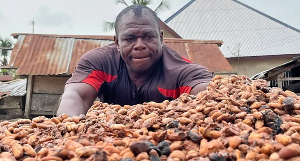 Cocoa is a key export commodity for Ghana