General News of Friday, 13 June 2025
Source: www.ghanaweb.com
Attorney-General explains non-prosecution and plea bargain agreements

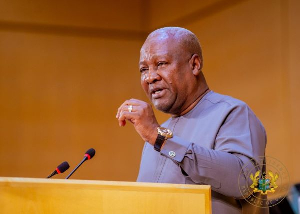
The Attorney-General and Minister for Justice, Dr Dominic Akuritinga Ayine, has responded to a journalist’s question on the difference between a Non-Prosecution Agreement and a plea bargain.
During a press briefing on Operation Recover All Loot (ORAL) at the Information Service Department on June 13, 2025, he said NPA is a possible outcome of plea bargaining where prosecutors agree not to prosecute a suspect in exchange for cooperation or other benefits.
“A non-prosecution agreement (NPA) is an aspect of a plea bargain," Dr Ayine explained.
According to him, the agreement grants protection from prosecution, allowing suspects to avoid trial.
NPAs can be conditional or unconditional, depending on the terms negotiated.
“When we sign a non-prosecution agreement, we usually immunize the person from prosecution—sometimes on certain conditions or sometimes unconditionally," he stated.
“A plea bargain is simply a negotiation between the prosecutor and someone suspected of a crime," he further explained.
He noted that plea bargaining could lead to various outcomes, including dropping charges in exchange for a fine or penalty, offering immunity if the suspect serves as a key witness, and negotiating terms that lead to a non-prosecution agreement.
Dr Ayine also clarified that these legal mechanisms are recognized under Ghanaian law, specifically through amendments to Act 30 under the Plea Bargain Act.
Addressing public concerns, he stressed, “I have never approached anyone for a plea deal. Those under prosecution usually send people to my office to ask whether I’m open to it," he said.
He concluded that such negotiations remain confidential until finalized, and form part of the government’s broader effort to recover stolen state funds through legal and strategic means.
DR/AME