Maintaining a healthy gut is essential for digestion, nutrient absorption and overall well-being. The foods people eat regularly can influence the balance of microorganisms in the digestive system, bowel movements and the health of the intestinal lining.
Gastroenterologists, who specialise in diagnosing and treating conditions affecting the digestive system, often emphasise the importance of a balanced diet rich in fibre, plant-based foods and beneficial nutrients.
Although no single food can guarantee good gut health, regularly eating a variety of fruits, vegetables, legumes, whole grains and fermented foods can help support digestion and the gut microbiome.
Here are 10 foods that can form part of a gut-friendly diet and explain how they may contribute to digestive health.
1. Berries
Berries, including strawberries, blueberries, raspberries and blackberries, are rich in fibre and antioxidants that support overall health.
Fibre helps regulate bowel movements and supports beneficial gut bacteria. Some types of fibre in berries are fermented by intestinal microorganisms, producing short-chain fatty acids that help nourish the cells lining the colon.
Berries also contain polyphenols, plant compounds that may influence the composition and activity of gut bacteria.
Adding berries to breakfast cereals, yoghurt, smoothies or oatmeal is an easy way to increase fruit intake. Both fresh and frozen varieties provide valuable nutrients.
2. Yoghurt
Yoghurt is a fermented dairy product that can contain beneficial live microorganisms, depending on how it is produced and processed.
Some yoghurt products contain probiotic bacteria that may support the gut microbiome. However, the potential benefits depend on the specific strains and quantities of microorganisms present.
Yoghurt also provides protein and calcium, while some varieties contain vitamin B12.
Plain, unsweetened yoghurt is a good option for people looking to limit added sugar. Those who are lactose intolerant may find yoghurt easier to tolerate than regular milk, although individual responses vary.
Yoghurt can be combined with berries, oats or nuts to make a nutritious breakfast or snack.
3. Kiwi
Kiwi is a nutrient-rich fruit that may help promote regular bowel movements. It contains dietary fibre and water, both of which support healthy digestion. The fruit also contains an enzyme called actinidin, which helps break down certain proteins during digestion.
Research suggests that eating kiwi regularly may improve stool frequency and ease constipation in some people.
Kiwi is also rich in vitamin C, which supports normal immune function and helps the body absorb iron from plant-based foods.
Including one or two kiwis in a balanced diet can help increase daily fruit and fibre intake. However, people with kiwi allergies should avoid the fruit.
4. Oats
Oats are a valuable source of soluble fibre, particularly beta-glucan, which supports digestive and metabolic health.
Some of the fibre in oats is fermented by gut bacteria, producing short-chain fatty acids that contribute to a healthy intestinal environment. Oats also absorb water, which can help support bowel regularity.
In addition to their digestive benefits, beta-glucan has been associated with lower levels of LDL, or “bad”, cholesterol when oats are consumed regularly as part of an appropriate diet.
Oatmeal can be prepared with milk or water and topped with berries, kiwi or nut butter. Choosing plain oats instead of heavily sweetened instant varieties can help reduce added sugar while providing a filling meal.
5. Peas
Peas are rich in fibre and provide plant-based protein, making them a useful addition to a gut-friendly diet.
Green peas contain different types of fibre, including some that can be fermented by intestinal bacteria. This process helps support beneficial microorganisms in the digestive system.
Peas also provide nutrients such as folate, vitamin C and vitamin K.
They can be added to soups, stews, rice dishes, salads and other vegetable-based meals. Fresh, frozen and appropriately prepared canned peas can all contribute to a nutritious diet.
People who are not accustomed to eating much fibre may experience gas or bloating when they suddenly increase their intake. Gradually introducing peas and other fibre-rich foods can help the digestive system adjust.
6. Lentils
Lentils are legumes rich in fibre, plant-based protein, folate, iron and other essential nutrients. Their fibre content helps support regular bowel movements, while some of their carbohydrates provide food for gut microorganisms.
When gut bacteria ferment certain fibres and resistant carbohydrates, they produce short-chain fatty acids that contribute to intestinal health.
Lentils are also a useful source of plant-based protein for people seeking to include more plant foods in their diets.
They can be prepared in soups, stews, curries and salads. Thorough cooking can make them easier to eat and digest.
Like other legumes, lentils may cause gas in some people. Starting with small portions and gradually increasing intake may help reduce discomfort.
7. Nut butter
Nut butters, including peanut, almond and cashew butter, provide unsaturated fats, protein and varying amounts of fibre. They can form part of a balanced diet, although their fibre content may be lower than that of whole nuts.
Some nuts also contain polyphenols and other plant compounds that may influence the gut microbiome.
Nut butter can be spread on whole-grain toast, added to oatmeal or blended into smoothies.
When choosing a product, it is worth looking for varieties made primarily from nuts, with little or no added sugar and salt. Nut butters are energy-dense, so portion sizes may be important for people monitoring their calorie intake.
Anyone with a relevant nut allergy should avoid products containing that nut.
8. Dark chocolate
Dark chocolate contains cocoa-derived polyphenols, plant compounds being studied for their potential effects on gut bacteria and other aspects of health.
Some gut microorganisms can break down these compounds into substances that may have biological effects. However, evidence of the specific benefits of dark chocolate for gut health remains limited, and it should not be regarded as a probiotic food.
Dark chocolate also contains minerals such as iron and magnesium, although the amounts vary depending on the product.
Choosing chocolate with a higher cocoa content may provide more cocoa solids and generally less sugar than some milk chocolate varieties. Nevertheless, dark chocolate is best consumed in moderation because it can be high in calories and fat. It may also worsen acid reflux symptoms in some people.
9. Avocado
Avocado provides dietary fibre and predominantly monounsaturated fats, making it a useful addition to a balanced diet.
Its fibre content contributes to bowel regularity and can support beneficial gut microorganisms. Avocados also contain potassium, folate and other nutrients.
Eating a variety of fibre-rich plant foods may help promote a diverse gut microbiome, although no single food can guarantee a particular microbial balance.
Avocado can be added to salads, sandwiches, whole-grain toast and smoothies.
However, people who are sensitive to certain fermentable carbohydrates may experience bloating or other digestive symptoms after eating large servings. Smaller portions may be better tolerated.
10. Potatoes
Potatoes can contribute to gut health, particularly when eaten with their skins and prepared in ways that preserve their nutritional value.
They provide potassium, vitamin C, carbohydrates and some dietary fibre. Leaving the skin on generally increases the fibre content of a serving.
When potatoes are cooked and then cooled, as in some potato salads, they can develop higher levels of resistant starch. This type of starch is not fully digested in the small intestine and can be fermented by bacteria in the large intestine.
The fermentation process produces short-chain fatty acids, including butyrate, which helps support the cells lining the colon.
Potatoes can be boiled, baked, or roasted. However, the overall nutritional value of a potato-based meal also depends on how it is prepared and the ingredients added.
Regularly eating potatoes prepared with large amounts of salt, butter or deep-frying oil may not offer the same overall dietary advantages as simpler cooking methods.
How to maintain a healthy gut
These 10 foods can provide a range of nutrients that support digestive health, but maintaining a healthy gut involves more than eating particular ingredients.
A varied diet containing fruits, vegetables, legumes, whole grains and other nutrient-rich foods can help provide the fibre and nutrients needed to support digestion and beneficial gut microorganisms.
It is also important to increase fibre intake gradually, drink enough water and pay attention to how different foods affect the body. People who experience persistent digestive symptoms should seek advice from a qualified healthcare professional.
Ultimately, gut health is supported by consistent eating habits, dietary variety and a lifestyle that meets the body's needs, rather than relying on any single food or supplement.
FG/MA
Guns and Drugs: Dr Adam Bonaa Warns of Growing Security Threat to Ghana
Health News of Sunday, 25 October 2026
Source: www.ghanaweb.com
10 foods that can help support a healthy gut
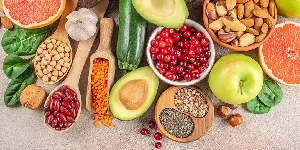 Foods that can support digestion and promote a healthy gut




Entertainment