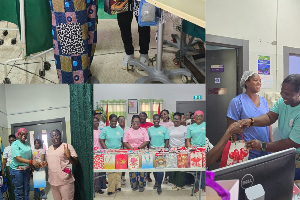
The Ghana Immigration Service (GIS) has initiated the first phase of implementing its Gender-Based Violence and Sexual Exploitation, Abuse, and Harassment (GBV-PSEAH) policy, with technical and financial support from UNFPA in 2025.
According to an adomonline.com report May 11, 2026, this initiative has resulted in the development and validation of a GBV-PSEAH training manual, along with two specialised training programs for officers and facilitators.
These individuals will initiate training across regional commands and selected schools nationwide.
In the context of migration and border management, the risks of GBV are significantly heightened, leaving women and children vulnerable during their journeys.
Migrants often struggle through unsafe, unapproved routes, where the threat of sexual violence, exploitation, trafficking, and harassment is prevalent, particularly for women and girls traveling alone or with limited resources.
Following the creation of the training manual and workshops in both the northern and southern zones, GIS plans to implement additional activities this year to enhance systems, accountability, and awareness.
Key focus areas include; Capacity-building programs, Expansion of GBV-PSEAH and gender training across the Service, Strengthening community relations to prevent GBV-PSEAH, Enhancing reporting and monitoring systems, Improving institutional awareness programs, and Supporting resource mobilisation for policy implementation.
UNFPA has reaffirmed its commitment to this initiative after Country Representative Dr Wilfred Ochan met with Comptroller General, Samuel Amadu Basintale at GIS headquarters.
"A recent assessment indicated that GIS has a robust framework for gender-responsive policies, but there is a need for further work on training, monitoring, and institutional support," Dr Ochan noted.
Basintale emphasised the importance of decentralising training to sectors, districts, border posts, and inland checkpoints, explaining that relying solely on a few regional officers limits effective implementation.
The two-year partnership between UNFPA and GIS will also include logistical support for secure case management systems, improvements in reporting channels (including a short code), cross-border collaboration in West Africa, awareness creation among migrants, refresher training, and online modules with certification on GBV/PSEAH and gender policies.
UNFPA Gender Programme Analyst, Selina Owusu, encouraged GIS to adopt a rights-based, gender-responsive approach, particularly in addressing cases involving female victims, minors, and the elderly.
The UNFPA delegation commended GIS leadership for its commitment to gender equality, workplace protection, and human rights in migration management and pledged ongoing technical assistance, training, and policy support.
NAD/VPO
3i Africa Summit 2026 - DAY 3
General News of Monday, 11 May 2026
Source: www.ghanaweb.com
What the new GBV and sexual harassment policy seeks to change
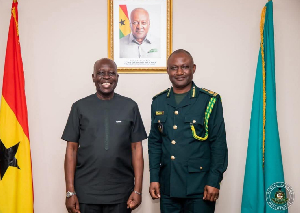 GIS and UNFPA has launched a major drive against gender-based violence and sexual abuse




Entertainment