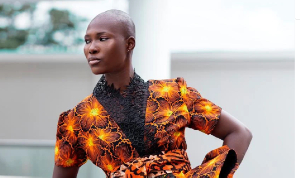
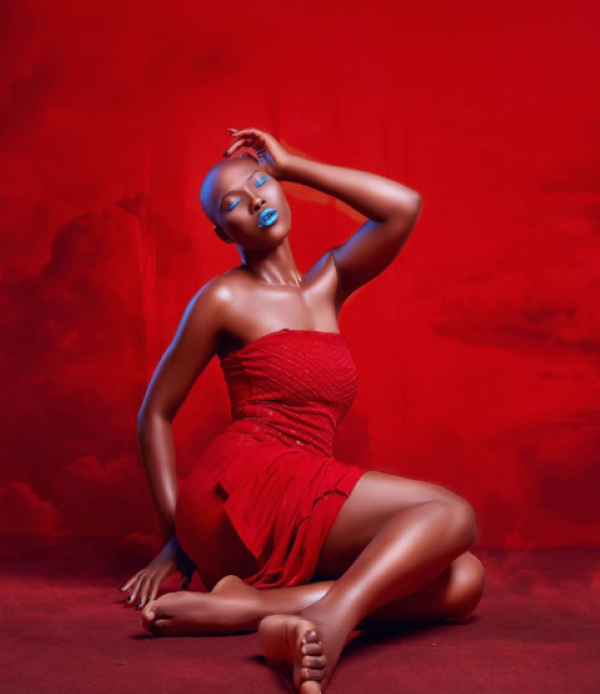
Long before her name became tied to one of Ghana’s most talked-about police cases, Felivian Adombila Ayariga was simply a young woman from Bolgatanga chasing opportunity and visibility.
Like many ambitious young women, she gravitated toward the glamour of modelling, a world that promised recognition, financial independence, and a chance to rise above her humble beginnings.
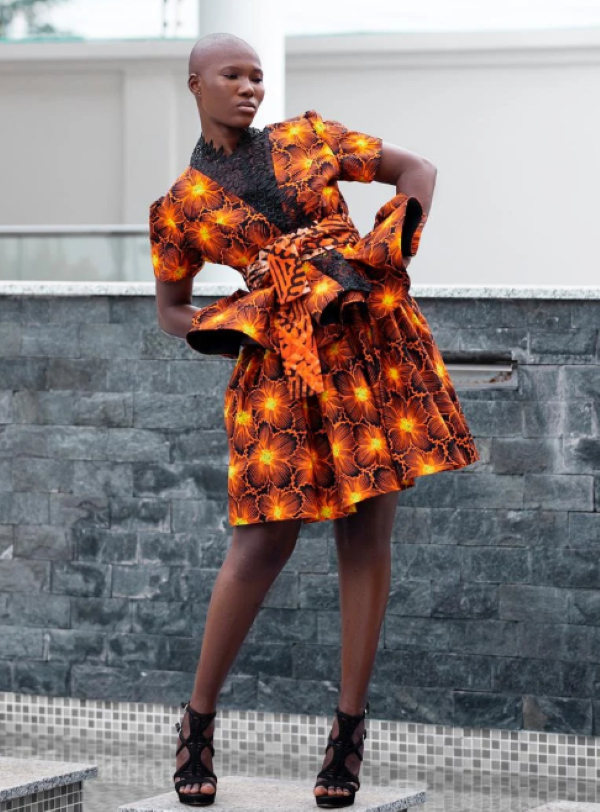
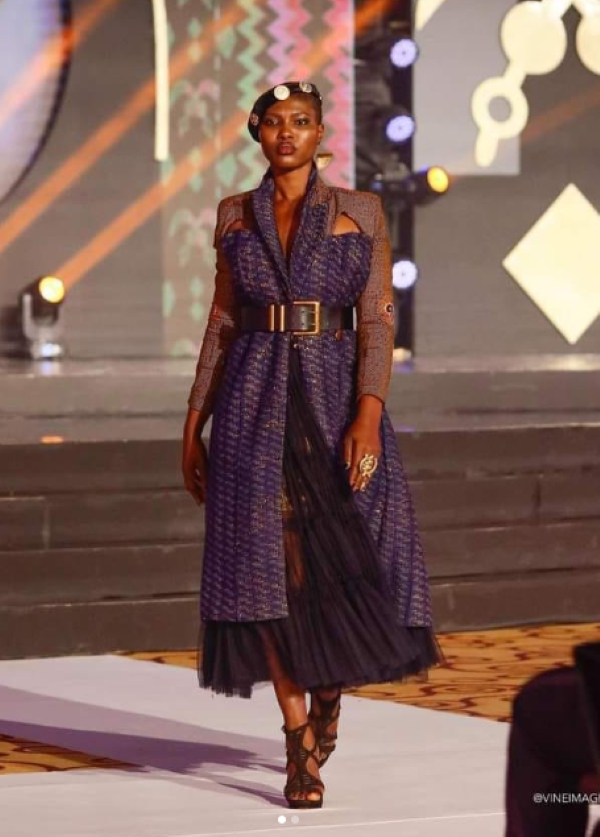
In her early years, Felivian built a reputation as a striking model with a growing presence in Accra’s advertising scene. Her image and name began circulating in commercial circles, and she was associated with modelling agencies that placed her on billboards and in promotional campaigns.
At just 26, she appeared to be on a steady climb toward a promising career in fashion and advertising.
Throughout her modelling career, Felivian Adombila Ayariga appeared in several notable Ghanaian music videos, further boosting her visibility in the entertainment industry.
Among the most talked about appearances is her role in Ghanaian-American musician and producer Jay Ghartey’s `My Lady’ music video.
She also appeared in `I Need a Boo’ by Kuami Eugene and Eugy Official, as well as the popular group VIP’s `I Think I Like Am’.
These appearances placed her in collaboration with some of the well-known names in Ghana’s music scene during that period, reinforcing her presence as a rising model and video vixen.
But in 2012, everything changed.
Felivian’s life took a dramatic turn when she was arrested by the police in connection with a man identified as Rabiu, a suspected armed robber who had been on the radar of law enforcement for a series of violent crimes in Accra and Tema.
The case shocked the public, not just because of the crimes involved, but because of the unlikely link between a rising model and a notorious criminal figure.
Kumasi Central Prison to hold groundbreaking inmates’ Runway Fashion Show
According to reports at the time, Felivian had been in a relationship with Rabiu for several years. The police alleged that she assisted him after a shootout, helping him escape and later hiding him in a hotel while he was injured.
That single allegation shifted her image overnight, from a young woman building a career to someone accused of harbouring a criminal.
The story grew even more complex when details of her personal life emerged. She was reportedly pregnant at the time of her arrest, adding another layer of public scrutiny and sympathy to an already sensational case.
Her arrest was not just about law enforcement; it became a national conversation about relationships, choices, and the hidden lives people sometimes lead behind polished public images.
What remained, however, was the impact.
For Felivian, the 2012 case marked a turning point that effectively stalled her modelling career. The same visibility that once worked in her favour now became a burden.
In an industry where image is everything, being associated with crime, even by allegation, can shut doors just as quickly as it opens them. Her name became more known for controversy than for her work.
In the years that followed, Felivian largely disappeared from the public spotlight. Unlike many who attempt comebacks through media or social platforms, she maintained a low profile, choosing privacy over public redemption.
Her story, however, continues to linger in Ghana’s collective memory, not just as a scandal but as a cautionary tale.
It highlights how quickly a promising life can change direction, how personal relationships can shape public destiny, and how one moment can redefine an entire narrative.
Today, Felivian Adombila Ayariga remains an enigmatic figure; once visible, now largely unseen. Whether she has rebuilt her life quietly or is still grappling with the consequences of her past is something only she truly knows.
FG/EB
Children of a popular pastor identified as victims of the tragic Tema helicopter crash
General News of Thursday, 19 March 2026
Source: www.ghanaweb.com
Rise, Fall and Arrest: Inside the story of Felivian Adombila Ayariga
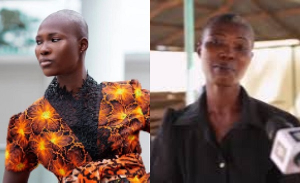 Felivian Adombila Ayariga was simply a young woman from Bolgatanga chasing opportunity