Deputy Minister of Health, Dr Grace Ayensu-Danquah, has called for increased investment in neonatal healthcare and long-term support for premature babies, warning that surviving birth is only the first step in their fight for healthy growth and development.
She said babies born prematurely require specialised medical attention, continuous monitoring and sustained healthcare support beyond the critical first days of life to give them a better chance of surviving and thriving.
Speaking at the 3rd Purple for Prematurity Summit, Prof. Ayensu-Danquah stressed the need for stronger neonatal care systems and follow-up services to address the medical and developmental needs of children born too soon.
She outlined government interventions, including the Presidential Initiative on Maternal Health Emergency Response (PRIMER) and expanded community-based newborn care services, as part of efforts to reduce newborn deaths and improve maternal and child health outcomes.
However, she maintained that addressing premature births requires a coordinated national response involving government, healthcare professionals and other stakeholders.
She therefore called for stronger collaboration towards developing a national maternal and child health roadmap that guarantees quality healthcare for every baby born too soon, too small or sick.
Founder of the African Foundation for Premature Babies and Children (AFPNC), Selma Bentoom, also called for a National Action Plan on Prematurity to address gaps in the care and long-term support of premature babies.
She urged the government to integrate follow-up care for premature babies into the National Health Insurance Scheme (NHIS) benefit package and increase funding for specialised neonatal healthcare.
According to her, efforts to save premature babies must not end when they leave the neonatal intensive care unit, as many continue to require medical attention, developmental monitoring and other forms of support.
She stressed that survival alone should not be the ultimate measure of success, arguing that premature babies must receive sustained care to give them the opportunity to grow, develop and live healthy lives.
EA
Health News of Friday, 13 November 2026
Source: www.ghanaweb.com
Premature babies need more than survival – Health Deputy Minister
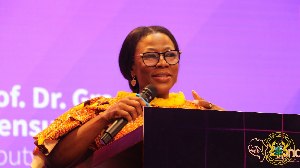 Dr Grace Ayensu-Danquah