Peaches and watermelon are both naturally sweet fruits, but they affect blood sugar differently.
Peaches generally have more fibre and tend to have a lower glycemic index (GI), while watermelon contains fewer carbohydrates per cup and has a relatively low glycemic load (GL).
Glycemic index varies
The glycemic index measures how quickly the carbohydrates in a food raise blood sugar compared with a reference food.
However, the GI of fruit is not fixed and can vary depending on the variety, ripeness and testing conditions.
Data from the University of Sydney's GI database, for example, include watermelon values ranging from 47 to 55, while tested peach values have reached 76.
This shows why assigning one GI number to every peach or watermelon can be misleading.
Facts and health values of watermelon
More importantly, GI does not tell the whole story.
Why glycemic load matters
Glycemic load considers both a food's GI and the amount of available carbohydrate in a typical serving.
This distinction is particularly important for watermelon. Although some watermelon varieties can have a relatively high GI, watermelon is about 91% water and contains only around 11.5 grams of carbohydrates per cup.
Therefore, a normal serving may have a relatively modest effect on blood sugar despite the fruit's GI.
Peaches provide more fibre
Peaches have an advantage when it comes to dietary fibre.
One cup of sliced peaches contains approximately 2.3 grams of fibre, compared with about 0.6 grams in a cup of diced watermelon.
Fibre can help moderate the post-meal blood sugar response, although its effect depends on the type and amount of fibre, as well as, the rest of the meal.
Portion size still matters
Neither a low GI nor a low carbohydrate content means unlimited portions are appropriate.
7 drinks you should consider adding to your daily routine
A cup of watermelon contains relatively few carbohydrates, but eating several cups can significantly increase the total carbohydrate intake.
Its high-water content and refreshing taste can also make it easy to consume a large quantity.
Similarly, eating a large portion of peaches can increase the overall carbohydrate and calorie intake.
So, which should you choose?
Choose peaches if you want:
• Generally lower GI values
• More fibre per cup
• A fruit that may provide a more gradual carbohydrate response
Choose watermelon if you want:
• Fewer carbohydrates per cup
• A relatively low glycemic load in a typical serving
• A fruit with very high-water content
Neither fruit needs to be avoided simply because of its effect on blood sugar. Both peaches and watermelon can fit into a balanced eating pattern, including for many people managing diabetes.
The more useful considerations are portion size, total carbohydrate intake and eating whole fruit rather than drinking fruit juice.
Watermelon's GI reputation can also be misleading because GI does not account for how little carbohydrate a typical serving contains.
MRA/VPO
2027 AFCONQ: Carlos Queiroz Speaks on Black Stars Selection and His Ambitions
Health News of Tuesday, 22 September 2026
Source: www.ghanaweb.com
Peaches vs Watermelon: Understanding their effects on blood sugar
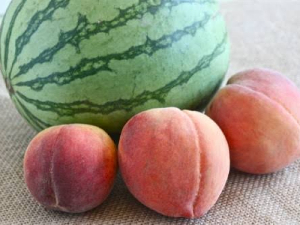 Neither fruit needs to be avoided simply because of its effect on blood sugar