When communities are displaced by conflict, livelihoods disrupted by insecurity or families pushed into vulnerability by food shortages and climate-related pressures, the effectiveness of the response often depends on how well humanitarian, security, development and civil society actors work together.
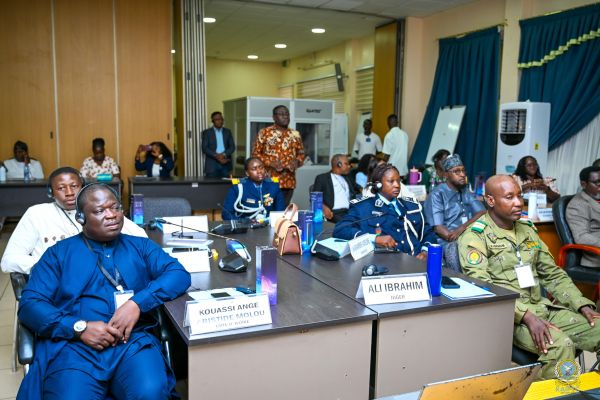
Recognising the importance of this coordination, the Kofi Annan International Peacekeeping Training Centre (KAIPTC) with support from the Austtian centre for peace and Care International in Ghana has opened the November 2026 edition of its Humanitarian Assistance and Peacebuilding in West Africa (HAWA) Core Course, bringing together regional actors to strengthen their capacity to respond to complex emergencies and contribute to sustainable peace.
The two-week programme is designed to equip participants with the knowledge, practical skills and institutional networks needed to improve humanitarian preparedness, strengthen collaboration across sectors and support communities affected by conflict and other humanitarian emergencies.
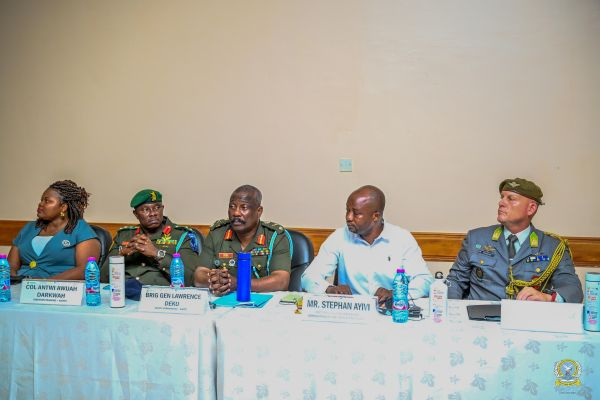
Speaking on behalf of the Commandant, Deputy Commandant, Brigadier General Lawrence Deku, described the HAWA programme as an important regional platform for building the capacity required to address West Africa's evolving humanitarian and security challenges.
He emphasised the need for stronger cross-border cooperation and inclusive approaches to tackling violent extremism, forced displacement, food insecurity and climate-related pressures.
He noted that effective responses require institutions and practitioners to work beyond traditional sectoral boundaries.
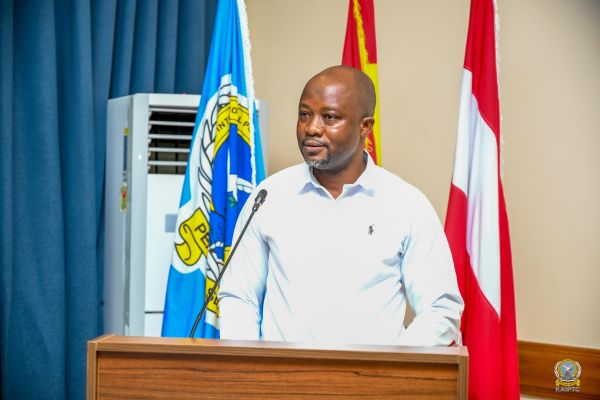
For Muminu Mutaru, Team Lead, Programs and Partnerships and representative of CARE International in Ghana, investing in the capacity of people and institutions remains central to developing effective and sustainable responses to humanitarian challenges.
He commended KAIPTC and acknowledged the continued support of CARE International and the Austrian Centre for Peace (ACP) in sustaining the HAWA programme.
He also stressed the importance of stronger institutional partnerships and practical interventions that respond to the needs and realities of vulnerable communities.
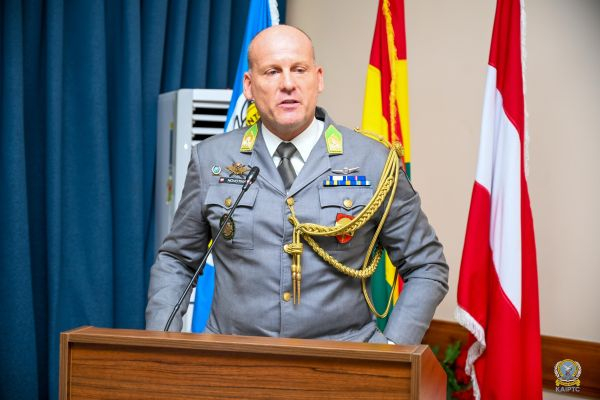
Delivering the opening address, Colonel Michael Novotny, representing the Austrian Embassy and Deputy Defence Attaché, reaffirmed Austria's commitment to supporting humanitarian assistance and peacebuilding efforts in West Africa.
Drawing on lessons from the recent HAWA Local Impact Workshop in Bimbilla, he highlighted the importance of local ownership and community-level partnerships in ensuring that peacebuilding interventions produce meaningful and lasting results.
He cited the collaboration with the Nanung Peace Initiative as an example of how local actors can contribute to building sustainable peace.
He encouraged participants to translate the knowledge and experience gained during the course into practical interventions and maintain the professional relationships established through the HAWA network beyond the training.
Ultimately, the value of the HAWA programme extends beyond the training environment. Its relevance lies in strengthening the people and institutions responsible for responding to humanitarian emergencies, supporting vulnerable populations and addressing the conditions that undermine peace and stability.
By bringing humanitarian, security, development and civil society actors into a shared learning and collaboration platform, KAIPTC, with the support of CARE International and the Austrian Centre for Peace, is contributing to a more coordinated approach to humanitarian preparedness and peacebuilding in West Africa.
SayItLoud: Newly constructed road turns Nsakina into a nightmare whenever it rains
Regional News of Thursday, 5 November 2026
Source: www.ghanaweb.com
KAIPTC partners Austria to build stronger responses to humanitarian crises
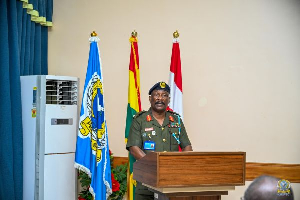 Brigadier General Lawrence Deku is Deputy Commandant, KAIPTC