Eating more fruits and vegetables, whole grains, lean protein and low-fat dairy products may help people manage their blood pressure, the British Heart Foundation (BHF) has said.
The heart health organisation says certain foods provide nutrients such as potassium, fibre and calcium, which can support healthy blood pressure when included in a balanced diet.
However, it cautions that diet is not the only factor in managing high blood pressure, with physical activity, maintaining a healthy weight, stopping smoking and taking prescribed medication also important.
Fruits and vegetables
Fruits and vegetables are among the food groups recommended for people seeking to manage their blood pressure.
Research, including studies funded by the British Heart Foundation, has suggested that beetroot juice may help lower blood pressure because it contains nitrates, which are thought to help lower it.
Other fruits and vegetables containing nitrates include spinach, celery, kale, bananas and strawberries.
The BHF also explains that fruits and vegetables provide potassium, a mineral that can help lower blood pressure.
Rather than concentrating on a single fruit or vegetable, it recommends eating at least five portions daily and choosing a variety of colours to benefit from the different nutrients they provide.
However, people with kidney problems and those taking certain diuretics, commonly known as water tablets, should be cautious about their potassium intake. Excessive potassium can affect the heart's rhythm, so supplements should only be taken when prescribed by a doctor.
Wholegrains
Wholegrains, including brown rice, wholemeal bread and oats, are another food group that can help support healthy blood pressure.
According to the BHF, these foods contain more nutrients and fibre than refined alternatives such as white bread, white rice and pasta.
Eating more fibre has been linked to a lower risk of heart and circulatory diseases. Oats are particularly useful because they contain a type of soluble fibre called beta-glucans, which may help lower blood pressure.
A high-fibre diet may also help people manage their weight, which can contribute to lower blood pressure.
Blood sugar spikes are not necessarily bad for you
The organisation recommends choosing high-fibre starchy carbohydrates at meals and including other fibre-rich foods such as beans, lentils, nuts, seeds, fruits and vegetables.
Lean protein
Lean protein sources can also form part of a diet aimed at managing blood pressure.
The BHF explains that lean protein foods are generally lower in calories than fattier alternatives while still helping people feel full. This can support weight management, which is beneficial for blood pressure.
Examples include chicken, turkey, fish, eggs and beans.
The organisation recommends choosing these foods instead of red and processed meats as part of a balanced diet.
Low-fat dairy products
Milk and other dairy products may also help support healthy blood pressure when included in a balanced diet.
The BHF notes that dairy products contain several nutrients, including calcium, which has been linked to blood pressure reduction.
It recommends lower-fat options such as semi-skimmed milk and low-fat natural yoghurt. These provide calcium and protein without as much saturated fat as their full-fat counterparts.
Although food choices are important, the BHF stresses that other lifestyle measures also play a role in managing blood pressure.
These include being more physically active, stopping smoking and maintaining a healthy weight. People who have been prescribed medication for high blood pressure should also continue taking it as directed by their healthcare professional.
JKB/EB
From Ghana to Atlanta: How an entrepreneur built a hair business in the US
Health News of Saturday, 17 October 2026
Source: www.ghanaweb.com
High Blood Pressure: 4 food groups that may help lower it
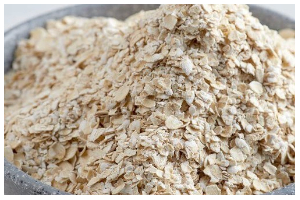 Adding oats to your diet may support efforts to manage blood pressure