Ferment it, boil it, or sprinkle it with lemon. When it comes to iron absorption, it's not just what you eat, but how you eat it that matters.
Growing up I believed that if I ate plenty of spinach, I'd grow nice and strong. Even today I regularly add it to smoothies, pasta and omelettes.
I like it not only because it's versatile, easy to cook and rich in fibre, but because it's also a good source of iron – right?
Well, while I'm not entirely wrong, we don't absorb that much iron from raw spinach.
Given that around one in three of us is iron-deficient, it's worth understanding it's not just what we eat – it's how we eat our food and prepare it – that gives us the best chance of getting the amounts we need.
The most common deficiency
Iron deficiency is the most common nutritional deficiency in the world, especially among children and women of reproductive age.
Feeling tired, weak or short of breath are all signs you may be low, since this essential mineral helps produce haemoglobin, the protein that carries oxygen to almost every part of our bodies.
"It's best to try and prevent becoming anaemic by eating the right diet," says Susan Fairweather-Tait, professor of mineral metabolism at the University of East Anglia.
When it comes to how readily we absorb iron from food, however, not all iron-rich foods are equal.
Meat-free diets require extra care
There are two dietary forms of iron. Heme iron is found in meat and seafood, while non-heme comes from plant-based foods.
We tend to absorb the former more easily than the latter. Our body absorbs about 15-30% of heme iron, and less from various kinds of non-heme (about 2% of that in dried legumes and about 7-9% in leafy vegetables).
But as concerns rise about cost, as well as the toll of red meat on health and the environment, some people are eating less. That could contribute to iron deficiency if not replaced with other iron sources, says Yemisi Latunde-Dada, a senior lecture in nutritional sciences at King's College London.
Thankfully, there are many plant-based sources of iron that can make up your daily goal.
And while these non-heme sources are absorbed less efficiently, there's numerous ways to maximise absorption from plant-based foods.
1. Boil some greens, steam others
How food is prepared can affect how much iron is available to us.
My trusty go-to – spinach – contains compounds called oxalates. These can bind to iron and block how much our bodies take up. But when we boil it, the compounds are released and more iron can be absorbed.
This rule only applies, however, to leafy greens that are high in oxalates, such as spinach, Swiss chard and beetroot leaves.
Other greens, like lettuce, cabbage and bok choy, don't need their oxalates leached out. In fact, eating them raw or steamed helps retain more vitamin C, providing an iron-absorption boost.
2. Pair iron-rich food with vitamin C
When we add vitamin C to our diet, we absorb more iron, research has shown.
"Vitamin C is a potent enhancer of iron absorption from plant food sources," says Latunde-Dada.
Alongside foods containing iron, you could try squeezing lemon on a meal or having a (small) glass of orange juice alongside your sourdough toast for breakfast.
3. Embrace the ferment
Fermentation can also help your body absorb more iron. That's because it breaks down phytic acid, a naturally occurring compound found in grains, nuts and seeds, which makes it harder for the body to take up iron from food.
For this reason, you could consider swapping regular bread for sourdough.
4. Don't rely only on fortified
Many staple foods including breads and breakfast cereals are fortified with iron. But manufactures tend to use less absorbable forms that are "unreactive," and so don't affect the food's taste, colour or shelf-life.
"We don't absorb iron very well from most of the fortified products" says Fairweather-Tait.
In a study that measured iron absorption from fortified foods, researchers found that iron absorption from infant cereals was very low, ranging from 0.6 to 2.2%.
In contrast, the same study found that iron absorption was higher for bread rolls made with refined white flour. (Another study found that absorption from bread made with refined flour reached 13.6%.)
5. Watch what you drink with your food
What we drink whilst eating can also affect how much iron we absorb from our diet.
Like with oxalates, iron absorption can be reduced by compounds such as polyphenols, tannins, fibre and phytates, says Latunde-Dada.
Coffee and tea contain tannins and polyphenols, meaning if we're eating an iron-rich breakfast cereal alongside a brew, we won't absorb it as well.
If you want a cup of tea, it's best to have it at least two hours after a meal, advises Fairweather-Tait.
Enough, but not too much
Our daily recommended amount of iron also accounts for the fact that we absorb relatively little overall.
Even if you're hitting your daily amount, you're likely only absorbing one to two milligrams of iron a day, says Fairweather-Tait. This equals what we're losing on a daily basis, she says, through things like sweat or menstruation.
Fairweather-Tait suggests regularly eating small doses of iron-rich foods throughout the day via a balanced diet. That's because, paradoxically, we can absorb less if we get too much iron at once, since the body is very efficient at regulating how much it absorbs.
And, if you do consider supplementation, experts advise seeking medical advice first.
"The body is trying to maintain a balance and doesn't want to take in too much."
Health News of Tuesday, 17 November 2026
Source: bbc.com
Five surprising ways to boost your iron - that have nothing to do with meat
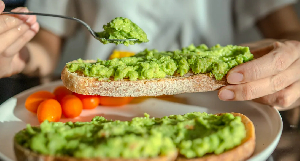 Everyday foods that can help improve iron levels