Travelling to Ghana is about to become a lot easier for many visitors, especially Africans who previously had to navigate lengthy visa procedures before entering the country.
On Monday, May 25, 2026, President Mahama launched Ghana’s new electronic visa (e-Visa) application system, a digital platform that allows travellers who require visas to apply online without filling out paper forms or submitting documents through courier services.
The introduction of the e-Visa platform marks a major shift in Ghana’s immigration system and comes with one significant change: the visa-on-arrival policy for African travellers has been scrapped and replaced with a fully electronic process.
Ghana Introduces e-Visa System to Simplify Travel and Boost Tourism
According to President Mahama, the new system is designed to make travel more convenient while strengthening security and improving transparency in immigration procedures.
“What this means is that the financial barrier for African travel has been removed and what remains firmly is the commitment to security, order and effective border management,” President Mahama added.
The President also outlined a broader vision for African integration through easier travel across the continent.
“Our long-term vision is even broader. We envision a future, and I believe it is not far off, in which all people of African descent can return and travel to Ghana without paying visa fees, as they reconnect with the ancestral homeland. This initiative is not merely about convenience. It is equally about efficiency, transparency, accountability and security,” the President said.
Who will need to apply online?
Under the new arrangement, African passport holders who require visas to enter Ghana must now submit their applications through the online e-Visa platform. The government says African applicants using the system will not be required to pay visa fees.
However, citizens of countries that already have visa waiver agreements with Ghana will continue to enter the country without obtaining visas.
The biggest change is that travellers who previously relied on a visa-on-arrival will now be expected to complete the process online before travelling.
How the new e-visa process will work
Step 1: Submit the application online
Instead of completing paper forms, applicants will fill out their visa applications electronically through the e-Visa portal.
The platform will allow travellers to upload documents, make payments where required and receive travel authorisation digitally through email or mobile devices.
This effectively replaces Ghana’s traditional paper-based visa application process.
Step 2: Upload supporting documents
Applicants will also submit supporting documents electronically.
Although the government has not yet published a full list of requirements under the new system, visa applicants are generally expected to provide documents such as:
• A valid passport
• Passport biodata page
• Travel itinerary
• Accommodation details
• Invitation letters where applicable
Requirements may differ depending on a traveller’s nationality and reason for visiting Ghana.
Step 3: Security screening and vetting
One of the key features of the new system is its integration with security databases.
The e-Visa platform has been linked to Ghana’s Advanced Passenger Information and Passenger Name Record systems, as well as international watch-list and crime databases.
This means applicants will undergo background checks before visas are approved.
“Every entry into the Republic will remain subject to stringent security screening and established immigration protocols,” President Mahama indicated at the launch.
Step 4: Online payment where necessary
African passport holders applying through the platform will not pay visa fees under the new policy.
However, travellers from countries outside Africa may still be required to pay visa charges depending on Ghana’s existing immigration arrangements with their countries.
Any payments required will be processed digitally through the platform.
Step 5: Receive travel authorisation electronically
Once an application is approved, the visa or travel authorisation will be issued electronically. To demonstrate the system during the launch, President Mahama personally approved the first visa application processed through the platform in the presence of government officials and guests.
More immigration services going digital
The government says the e-Visa initiative is only the beginning of a broader digital transformation programme.
The Ministry for the Interior, the Ghana Immigration Service and the Ghana Investment Promotion Centre are expected to begin automating other immigration-related services, including:
• Work permits
• Residence permits
• Other immigration processing systems
Officials believe the move will reduce bureaucracy, improve compliance and make it easier for investors and businesses to operate in Ghana.
Changes coming at Kotoka Airport
Travellers passing through Kotoka International Airport can also expect a smoother screening process in the coming months.
New 3D scanners are being installed at Terminals 2 and 3, which will eventually allow passengers to keep laptops inside their hand luggage during security checks.
Additional screening equipment expected in August is also expected to eliminate the need for passengers to remove their shoes and belts during screening.
Why the government says the e-visa matters
Government officials say the new platform is intended to modernise Ghana’s immigration system while making the country more attractive to tourists, investors and visitors from across Africa.
Beyond convenience, authorities believe the digital system will improve border management, strengthen security oversight and support Ghana’s wider Pan-African agenda.
The government is also encouraging other African countries to accelerate the implementation of the African Union’s Free Movement Protocol, which seeks to make movement across the continent easier for Africans.
NA/BAI
Without unity, we can’t win power - Paul Afoko rallies NPP ahead of return bid
General News of Tuesday, 26 May 2026
Source: www.ghanaweb.com
EXPLAINER: How Ghana's new e-Visa system works
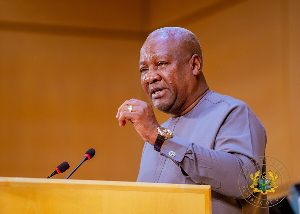 John Dramani Mahama launched Ghana's e-Visa application system on Monday



Entertainment

Nana Aba Anamoah replies Esther Smith's ex-husband

Opinions