


- Agriculture, Fishing & Mining
- Automobile & Motorcycle
- Bars & Restaurants
- Building, Construction & Engineering
- Business Services
- Computers & Internet
- Education, Employment & Research
- Entertainment
- Financial & Legal
- Health & Beauty
- Home & Garden
- Manufacturing & Wholesale
- Media & Communication
- Public & Social Services
- Shops
- Sports & Leisure
- Tourism
- Transportation
Business Directory
-
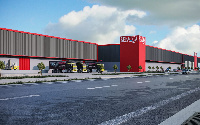 BEL-AQUA GHANA LIMITED(MAIN-PRODUCTION HEADQUARTERS)
Plot No. IND/A/28 Heavy Industrial Area, Spintex Road Tema, Greater Accra Region, GREATER ACCRA REGION
-
Business Information
The Bel-Aqua Ghana Limited Main Headquarters stands as the central nerve center of one of Ghana’s most respected bottled water and beverage companies. Strategically situated to maximize operational efficiency, distribution reach, and corporate governance, the Headquarters is both a symbol and a working engine of the company’s commitment to quality, community, and sustainability. More than just an administrative address, the Bel-Aqua Headquarters is where strategy, research, production oversight, customer service, and corporate responsibility come together to shape a brand trusted by households, businesses, and institutions across Ghana and beyond.
This description explores the Headquarters in detail: its identity and role, organizational structure, operational capabilities, quality control and safety practices, research and innovation, commercial and distribution strategies, human resources and staff development, corporate social responsibility, sustainability initiatives, and plans for future growth. The narrative aims to capture the Headquarters not just as a place, but as a culture — one built around excellence, reliability, and community impact.
Identity and Strategic Role
The Bel-Aqua Headquarters functions as the company’s strategic brain. From here, the executive leadership — led by the Managing Director/CEO supported by the executive team — sets corporate direction, defines market priorities, and crafts policies that align the entire organization with its long-term objectives. The Headquarters houses essential corporate functions: Finance and Accounting, Sales and Marketing, Research & Development (R&D), Quality Assurance, Logistics and Supply Chain, Human Resources, Legal and Compliance, and Public Relations.
Because Bel-Aqua operates in a category where public trust is paramount, the Headquarters plays a critical role in maintaining superior standards and preserving brand reputation. Strategic decisions about sourcing, bottling, packaging, pricing, promotion, and market expansion are made with an eye toward safeguarding product integrity and serving consumers responsibly.
Site and Facilities
The Headquarters campus combines administrative offices with technical and operational spaces designed for oversight rather than mass production (manufacturing plants and bottling facilities may be located at adjacent or regional production sites). The campus typically includes:
Executive suites and boardrooms for senior leadership and stakeholder engagements.
An operations command center for coordinating production schedules, distribution logistics, and supply-chain activities.
Quality assurance laboratories and sample-testing rooms where water samples and finished packaging are tested regularly.
R&D and product development studios for formulation work, packaging innovation, and market-driven product pilots.
Customer service and order-management hubs that handle both institutional and retail account servicing.
Conference and training rooms used for workforce development, stakeholder workshops, and cross-functional meetings.
A small visitor and corporate affairs center for media briefings, public outreach, and community visitors.
These facilities are laid out to encourage cross-department collaboration while maintaining secure, controlled spaces for sensitive testing and regulatory work.
Organizational Structure and Leadership
At the heart of the Headquarters is an organizational structure designed to balance agility and control. Leadership typically comprises the Managing Director/CEO, a Chief Operations Officer (COO), Chief Financial Officer (CFO), Head of Quality Assurance, Head of Sales & Marketing, Head of Supply Chain/Logistics, Head of Human Resources, Head of Legal & Compliance, and a Corporate Communications lead.
Each leader brings specific expertise and collectively they drive a culture of accountability, transparency, and continual improvement. The Headquarters operates with defined reporting lines and cross-functional committees (for safety, product development, sustainability, and crisis response) that ensure swift decision-making and coordinated action during normal operations and exceptional circumstances.
Quality Assurance and Regulatory Compliance
Bel-Aqua’s Headquarters is the guardian of water safety and product quality. Given the nature of bottled water, the QA (Quality Assurance) department is highly prominent. The company adheres to strict water quality protocols and international best practices — from source water testing and microbial analysis to bottling hygiene and shelf-life assurance.
Typical QA activities coordinated at the Headquarters include:
Regular sampling and laboratory analysis of raw water sources for chemical and biological contaminants.
Monitoring of bottling processes to ensure sanitary conditions, correct fill volumes, and secure sealing.
Validation of packaging materials to guarantee inertness, recyclability, and labeling compliance.
Scheduling independent third-party audits and certifications (ISO standards, HACCP, or local regulatory approvals).
Crisis response planning for product recalls, contamination events, or public concerns.
The QA unit also liaises with national regulatory bodies, public health agencies, and industry associations to ensure that Bel-Aqua maintains regulatory compliance and public confidence.
Production Oversight and Supply Chain Coordination
Although large-scale production may be decentralized across multiple regional plants, the Headquarters manages production oversight and supply chain strategies at a macro level. Core responsibilities include:
Forecasting demand and coordinating production schedules across facilities to optimize inventory and reduce waste.
Procurement of raw materials — from food-grade polymers for bottles and caps to labels and packaging materials — ensuring ethical sourcing and consistent quality.
Vendor management and negotiation of contracts for equipment maintenance, utilities, and third-party logistics.
Fleet and distribution network planning to ensure timely deliveries to supermarkets, retailers, corporate clients, and export partners.
Implementation of inventory management systems and ERP platforms that link sales forecasts, production runs, and distribution logistics in real time.
The Headquarters uses data-driven planning to keep the supply chain resilient, cost-effective, and responsive to seasonal demand fluctuations.
Research, Innovation, and Product Development
Bel-Aqua’s Headquarters houses an R&D function focused on both product and process innovation. The group conducts consumer insights research, pilots packaging innovations, and explores technical advances that improve shelf-stability, reduce plastic use, or enhance convenience (e.g., different bottle sizes, ergonomic shapes, or sport-caps).
R&D priorities at the Headquarters may include:
Improving water treatment processes (filtration, UV, ozone, reverse osmosis) to elevate product quality while minimizing chemical use.
Testing biodegradable or recycled packaging alternatives and promoting circular-economy solutions.
Developing new product lines such as flavored water variants, functional beverages, or expanded pack formats for catering to varied market segments.
Piloting energy- and water-efficiency initiatives within plant operations and across the organization.
The R&D group also collaborates with universities, research institutions, and international partners to access advanced technologies and to remain aligned with global trends.
Sales, Marketing, and Brand Management
The Headquarters is the command post for brand strategy and market-facing initiatives. Sales and Marketing teams devise campaigns to strengthen consumer loyalty, increase market share, and sustain retail and institutional partnerships. Key functions managed at the Headquarters include:
National marketing campaigns, sponsorships, and promotional activities.
Trade relationships with supermarkets, wholesalers, and distributors.
Corporate sales for hospitals, hotels, airlines, and public institutions.
Pricing strategies, packaging segmentation, and seasonal promotions.
Digital marketing efforts, brand storytelling, and consumer engagement through social media and community programs.
Brand guardianship at the Headquarters ensures that every communication underscores Bel-Aqua’s core values: purity, reliability, and community service.
Customer Service and Corporate Accounts
A dedicated client services division operates from the Headquarters to handle major accounts, institutional orders, and customer inquiries. This team manages:
Large-scale contracts and delivery logistics for corporate clients and public agencies.
Feedback collection and rapid resolution of product or delivery issues.
Customized packaging or labeling requests for corporate clients.
Loyalty programs and long-term partnership arrangements.
The Headquarters’ customer-centric approach helps maintain high standards of client satisfaction and fosters strong commercial relationships.
Human Resources, Training, and Workplace Culture
Bel-Aqua’s Headquarters is also the center for human capital development. The HR function focuses on recruiting talent, professional development, performance management, and workplace welfare. Attention is given to:
Comprehensive onboarding and training for production staff, sales teams, and technical personnel.
Continuous skills development programs, including on-the-job training, safety drills, and leadership development courses.
Employee wellness programs, health benefits, and fair compensation structures.
Building a safety-first culture and promoting diversity, inclusion, and ethical conduct across teams.
The Headquarters cultivates an environment where employees are empowered, accountable, and aligned with corporate values.
Corporate Social Responsibility and Community Engagement
The Bel-Aqua Headquarters is instrumental in shaping the company’s CSR agenda. As a bottled water company, Bel-Aqua has a natural connection to community welfare, water access, and sanitation. Typical CSR initiatives coordinated at the Headquarters include:
Community water projects: drilling or supporting boreholes, and donating safe water for schools, clinics, and community centers.
Health and hygiene education campaigns that teach safe water handling and sanitation practices.
Partnerships with NGOs and the public sector to support disaster relief and emergency water supply during crises.
Environmental clean-up drives and recycling programs to reduce plastic pollution and encourage responsible disposal.
These community-facing programs reinforce Bel-Aqua’s reputation as a responsible corporate citizen committed to social impact.
Environmental Stewardship and Sustainability
Sustainability is a strategic priority at the Headquarters. The company recognizes global concerns over plastic waste and natural resource use, and thus pursues multiple initiatives:
Waste reduction and recycling programs for production scrap and post-consumer materials.
Exploring lightweight bottle designs that use less plastic per unit without compromising safety.
Energy-efficiency investments in facilities and adoption of renewable energy sources where feasible.
Water-conservation measures within production processes to minimize freshwater withdrawal and maximize reuse where safe.
Engagement in extended producer responsibility (EPR) efforts and partnerships with recycling collectives.
Bel-Aqua’s Headquarters leads sustainability reporting, audits, and alignment with national and international best practices.
Legal, Compliance, and Risk Management
Operating in the food and beverage space requires meticulous legal oversight. The Headquarters’ legal and compliance teams ensure the company meets tax laws, labor regulations, environmental standards, and food-safety legislation. They also manage contracts, handle intellectual property matters, and coordinate crisis response and recall protocols when necessary.
Risk management processes run from the Headquarters and include scenario planning for supply-chain disruptions, natural disasters, regulatory changes, and reputational risks.
Technology and Digital Transformation
Modern enterprise systems are maintained and governed from the Headquarters. Digital transformation priorities include:
Enterprise Resource Planning (ERP) systems that integrate finance, inventory, purchasing, and human resources.
CRM platforms to track customer interactions and improve service delivery.
Data analytics for demand forecasting, route optimization, and market segmentation.
E-commerce or digital ordering systems that facilitate B2B and B2C sales channels.
The Headquarters ensures that technology initiatives are secure, scalable, and aligned with business objectives.
Partnerships, Exports, and Regional Presence
For companies like Bel-Aqua aspiring to regional impact, the Headquarters often plays a coordinating role for exports and partnerships. It negotiates distribution agreements, explores export licensing, and supports market-entry strategies for neighboring West African markets. It also manages relationships with suppliers, logistics partners, and international vendors.
Vision for Growth and Future Plans
Looking forward, the Headquarters typically crafts a multi-year strategy that may include expanding production capacity, introducing new beverage lines, enhancing sustainability credentials, strengthening the brand across digital platforms, and deepening community impact programs. Investments in renewable energy, advanced bottling technology, and circular packaging systems signal a forward-thinking approach to long-term viability.Product and Services
- ●Bel-Aqua may offer contract bottling services to third-party companies and brands that require water or beverage bottling using Bel-Aqua’s infrastructure and quality systems.
- ●Bel-Aqua Ghana Limited also produces a wide variety of soft drinks and flavored beverages under its broader brand umbrella, including: • Bigoo (carbonated soft drinks in multiple flavors) • Bel Cola • Planet Drink (energy drinks)
- ●Bel-Aqua also supplies bulk water and drinks to: • Corporate offices • Events (weddings, funerals, festivals) • Institutions (schools, hospitals) They may offer branded solutions or volume discounts for long-term clients.
Contacts
- ●+233 (0) 50 781 9430
- ●+233 (0) 30 271 0090
- ●+233 (0) 30 231 1900
- ●info@blowchemgh.com
- ●WhatsApp: +233 (0) 20 594 1416
Rating