This blog is managed by the content creator and not GhanaWeb, its affiliates, or employees. Advertising on this blog requires a minimum of GH₵50 a week. Contact the blog owner with any queries.
Virgin Blogger Blog of Thursday, 5 February 2026
Source: Christopher A. Ranson
Over-eulogising Dr Kwame Nkrumah: A misplaced perspective - Dr Albert O. A. Tsolu
- Share:


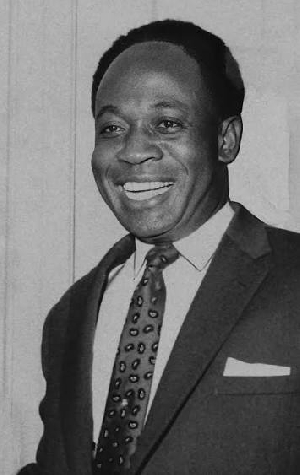
Dr Kwame Nkrumah remains one of Africa’s most celebrated leaders for leading Ghana to independence and inspiring liberation movements across the continent. However, some analysts argue that the persistent glorification of Ghana’s first President often overlooks aspects of his governance that contributed to long-term challenges in Ghana and Africa.
Critics contend that the hardships experienced after Ghana attained republican status can be traced to governance choices under Nkrumah. They argue that while many citizens lived modestly, the political elite adopted lavish lifestyles, importing luxury vehicles and residing in grand mansions, a development they say widened the gap between leaders and the ordinary people.
Reference has also been made to the concentration of power under Nkrumah’s leadership. His adoption of a one-party state and authoritarian style of governance, critics claim, generated widespread dissatisfaction and undermined Ghana’s traditional democratic culture. Policies such as the Preventive Detention Act and restrictions on certain books in schools are cited as examples of excessive control.
The introduction of the Young Pioneer Movement has further been criticised for allegedly promoting intolerance, eroding respect for authority, and encouraging favouritism, as party loyalists were perceived to enjoy preferential access to jobs and opportunities.
Some commentators also question Nkrumah’s ideological leanings toward socialism and pan-Africanism, arguing that excessive focus on external liberation struggles drained national resources while pressing domestic issues remained unresolved. They further maintain that public sector dominance stifled private enterprise, which they see as the true engine of economic growth in advanced economies.
While acknowledging that independence was essential, critics argue that the transition to a republic was rushed and weakened institutional checks, contributing to corruption and abuse of power.
In their view, Africa’s progress depends not on hero worship but on objective reflection, accountability, and the emergence of scientifically minded, patriotic leaders committed to democracy, private sector growth, and the welfare of their people.