This blog is managed by the content creator and not GhanaWeb, its affiliates, or employees. Advertising on this blog requires a minimum of GH₵50 a week. Contact the blog owner with any queries.
Virgin Blogger Blog of Thursday, 5 February 2026
Source: Christopher A. Ranson
Calls to Rename Kotoka Airport Must Cease – Dr. Albert O. A. Tsolu
- Share:


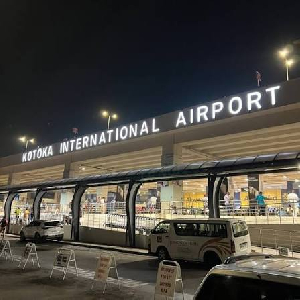
The renewed calls by some sections of the public to remove the name “Kotoka” from Ghana’s international airport demand sober reflection and a deeper appreciation of Ghana’s political and economic history. Those pushing for this change must critically examine whether their arguments are rooted in balanced reasoning or selective historical interpretation.
General Emmanuel Kwasi Kotoka played a pivotal role in what many historians consider a corrective intervention in Ghana’s early post-independence struggles. When Ghana, under Dr. Kwame Nkrumah, abandoned the West—which had significantly contributed to the country’s education, health, infrastructure and social development—to align with the Eastern bloc and socialist ideology, the nation descended into severe economic hardship. This ideological shift plunged Ghanaians into a level of deprivation previously unknown.
Historically, no African country that fully aligned with Eastern socialist systems prospered. The Eastern powers lacked the economic capacity to sustain African development in the way Western nations have consistently done. While Africa’s past experiences with the West have not been without pain, the long-term benefits of that association remain evident. Developmental aid, concessional loans and institutional support from Western countries continue to drive Africa’s growth agenda. Indeed, as the saying goes, “The devil you know is better than the angel you don’t know.”
It is important to note that not all coups in Africa were driven by selfish ambition. Some were genuinely intended to liberate citizens from oppression and economic collapse. Kotoka did not seize power for personal gain. After the February 24, 1966 coup, he did not crown himself Head of State but rather handed leadership to General J. A. Ankrah, serving instead as Chief of Defence Staff. This act reflected humility, discipline and selflessness. Tragically, Kotoka was later brutally murdered at the very location that now bears his name a fitting memorial to his sacrifice.
If the argument for renaming Kotoka International Airport is based on his role in overthrowing a constitutional government, then intellectual honesty demands similar scrutiny of institutions associated with the June 4, 1979 and December 31, 1981 coups. Anything short of this amounts to selective morality and gross hypocrisy.
Young Ghanaians must go beyond partisan narratives and superficial historical accounts. A deeper, comparative study of Ghana’s political journey is necessary for a more informed national discourse.
Ghana’s experiments with socialism under Nkrumah and later under Rawlings failed to yield economic prosperity. Both eventually turned back to Western-aligned democratic systems. This reality affirms that democracy not socialism offers Africa its best chance at growth, wealth creation and global competitiveness.
General Kotoka’s name was not honoured because he staged a coup, but because of the selfless role he played in saving Ghana from economic collapse. That legacy deserves preservation, not erasure.






Opinions