This blog is managed by the content creator and not GhanaWeb, its affiliates, or employees. Advertising on this blog requires a minimum of GH₵50 a week. Contact the blog owner with any queries.
TrenderHQ Blog of Wednesday, 20 August 2025
Source: Philip NeeWhang
When a nation stands still: Ghana’s creative voices echo grief after helicopter crash
- Share:


On the morning of August 6, 2025, Ghana didn’t just lose government leaders — it lost symbols of national service, courage, and unity. A tragic military helicopter crash in the Adansi Akrofuom District claimed eight lives, bringing the country to an emotional standstill. The tragedy cut deep — not just through political circles, but through the very heart of Ghanaian society.
And in the silence that followed, it was the country’s creative community that helped put grief into words.
Those we remember
The Harbin Z-9EH helicopter was en route to Obuasi when it went down. On board were key national figures: Defence Minister Dr. Edward Omane Boamah, Minister for Environment, Science, Technology and Innovation Dr. Ibrahim Murtala Muhammed, and Acting Deputy National Security Coordinator Alhaji Limuna Muniru Mohammed.Also lost were Dr. Samuel Sarpong, Vice Chairman of the NDC, and Samuel Aboagye, a former parliamentary candidate. The military crew — Squadron Leader Peter Bafemi Anala, Flying Officer Manin Twum-Ampadu, and Sergeant Ernest Addo Mensah — represented the best of Ghana’s Air Force.
Together, they were on a mission of service. Their loss is one the country will carry for years to come.
The moment Ghana stopped
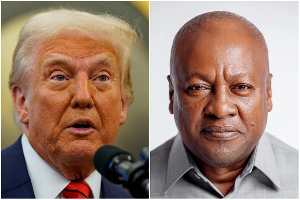
In response, President John Dramani Mahama declared three days of national mourning. Flags flew at half-mast. Public schedules were cleared. At Jubilee House, a wreath-laying ceremony brought leaders, clergy, families, and citizens together in one shared space of remembrance. For once, political divisions faded. What remained was the raw, human weight of loss.Culture steps in where words fail
Ghana’s creative sector responded not with noise, but with heart. From Apprise Music to MUSIGA, GHAMRO to GAPI, and countless independent creatives, the arts became a sanctuary for national sorrow. Songs of remembrance were written. Tributes filled airwaves. Art became healing.In a country where rhythm and melody carry generations of memory, the creative community did what it does best — give the nation a voice when it didn’t know what to say.
This isn’t just politics. It’s personal.
These weren’t just government figures — they were fathers, mentors, and fellow citizens. Across towns and communities, candlelight vigils glowed. Families who never met the victims still felt the loss as if it were their own.Because when tragedy hits Ghana, we do not grieve as strangers. We grieve as one.
The power of shared mourning
Even in heartbreak, Ghana reminds the world of something enduring — its capacity to unite. Whether through solemn silence or through the chorus of cultural voices rising in tribute, this moment has shown what national dignity looks like.We may not forget the pain. But through art, memory, and shared purpose, we will carry each other forward.