This blog is managed by the content creator and not GhanaWeb, its affiliates, or employees. Advertising on this blog requires a minimum of GH₵50 a week. Contact the blog owner with any queries.
Ted News Ghana Blog of Saturday, 19 April 2025
Source: TEDDY VAVA GAWUGA
Tariff Hikes a Result of Economic Mismanagement — Environmental Policy Expert Blasts State Institutions
- Share:


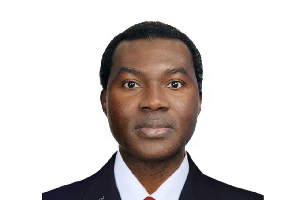
Accra, April 18, 2025 — The Executive Director of the Centre for Environmental Management and Sustainable Energy, Benjamin Nsiah, has delivered a stinging critique of state institutions, accusing them of economic mismanagement that unfairly burdens electricity consumers.
His comments come in the wake of the Public Utilities Regulatory Commission’s (PURC) announcement of new utility tariffs, which will see electricity prices rise by an average of 14.75% starting May 3, 2025, under the Commission’s quarterly review mechanism.
According to the PURC, the tariff hike is driven by key macroeconomic factors, including the depreciation of the Ghana cedi, rising inflation, increased fuel costs—especially for natural gas—and shifts in the generation mix between hydro and thermal power.
But in an interview with ChannelOne News, Nsiah rejected these justifications, describing the tariff increase as the result of systemic failure by institutions tasked with stabilising the economy.
“What is happening about tariff adjustment is a reflection of an irresponsible state institution or persons who manage the state institutions,” he said. “If the state fails to manage inflation, or acts irresponsibly in doing so, it becomes a burden on the electricity user.”
He specifically criticised the Bank of Ghana and the Ministry of Finance for their role in the cedi’s continued decline, stating that their poor economic stewardship was now being passed onto the public.
“In terms of depreciation of the currency… the Bank of Ghana and the Minister of Finance mismanage the economy so much that the cedi depreciates, and they say the end user should pay for it,” he lamented.
Nsiah argued that the PURC’s methodology—using economic indicators influenced by government mismanagement—essentially penalises consumers for failures they did not cause.
“Yes, they made certain justifications for the adjustment, but that justification indirectly is irresponsible,” he said. “The state actors who have been mandated to make sure the cedi is stable have not done their work well, and that inefficiency is being passed on to the user.”
The new tariff hikes have sparked widespread public concern, with calls growing for greater transparency, accountability, and a rethink of how utility rates are determined in Ghana.





Entertainment