This blog is managed by the content creator and not GhanaWeb, its affiliates, or employees. Advertising on this blog requires a minimum of GH₵50 a week. Contact the blog owner with any queries.
Ted News Ghana Blog of Tuesday, 15 April 2025
Source: TEDDY VAVA GAWUGA
Ghana Secures $370 Million in IMF Support Following Staff-Level Agreement on Economic Program
- Share:


The International Monetary Fund (IMF) and the Government of Ghana have reached a staff-level agreement on the fourth review of the country’s three-year Extended Credit Facility (ECF)-supported program, paving the way for the disbursement of approximately US$370 million in financial support.
The announcement followed an IMF mission led by Mr. Stéphane Roudet, IMF Mission Chief for Ghana, which took place in Accra from April 2 to April 15, 2025.
The agreement, once approved by the IMF Executive Board, will bring Ghana’s total disbursement under the program to around US$2.36 billion since its inception in May 2023.
“IMF staff and the Ghanaian authorities have reached a staff-level agreement on the fourth review of Ghana’s economic program under the ECF. This is subject to Executive Board approval,” Mr. Roudet stated. “Upon approval, Ghana would have access to SDR 267.5 million (about US$370 million).”
Positive Growth in 2024 Amid Economic Pressures
Mr. Roudet praised Ghana’s stronger-than-expected economic growth in 2024, which was driven largely by the mining and construction sectors. The country's external position also improved, thanks to a surge in gold exports and remittance inflows, resulting in a higher-than-expected accumulation of international reserves.
Despite these gains, the IMF flagged serious fiscal slippages ahead of the 2024 elections. These included:
A sharp rise in unpaid government bills
Inflation exceeding program targets
Delayed reforms across fiscal, financial, and energy sectors
Bold Measures by New Administration
To correct course, Ghana’s new government has introduced ambitious fiscal measures, including:
An audit of accumulated payables
A 2025 budget targeting a 1.5% GDP primary surplus
Public financial management reforms, such as tighter expenditure rules and an enhanced fiscal responsibility framework
“These bold actions are aimed at restoring fiscal discipline and ensuring program objectives remain within reach,” the IMF noted.
Social Protection and Structural Reforms
The IMF mission also focused on protecting vulnerable populations from inflationary shocks and fiscal tightening, through improvements in social protection programs.
Structural reforms discussed include:
Enhancing governance and transparency
Strengthening State-Owned Enterprise (SOE) management in the gold, cocoa, and energy sectors
Resuming quarterly electricity tariff adjustments to curb energy sector arrears
Additionally, efforts to recapitalize public banks and preserve financial stability are progressing.
Debt Restructuring Underway
The IMF welcomed Ghana’s progress in its debt restructuring program under the G20 Common Framework. The country has signed a Memorandum of Understanding (MoU) with its Official Creditors Committee, and is working on bilateral agreements to finalize the process.
Ghana is also continuing good-faith negotiations with commercial creditors to ensure fair treatment and alignment with IMF program goals.
Continued Commitment and Collaboration
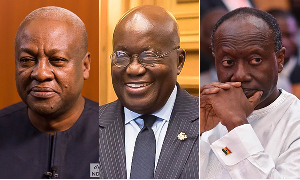
The IMF praised the Ghanaian authorities for their cooperation and transparency during the mission, which included engagements with Finance Minister Dr. Cassiel Ato Forson, Bank of Ghana Governor Dr. Johnson Asiama, and other key stakeholders.