This blog is managed by the content creator and not GhanaWeb, its affiliates, or employees. Advertising on this blog requires a minimum of GH₵50 a week. Contact the blog owner with any queries.
Ted News Ghana Blog of Tuesday, 3 June 2025
Source: TEDDY VAVA GAWUGA
Ghana Marks 10 Years Since June 3 Disaster: Calls Renewed for Accountability and Reform
- Share:


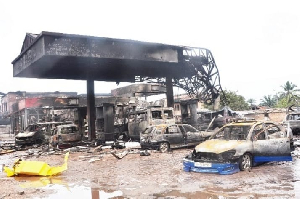
Today marks a decade since one of Ghana’s worst national tragedies—the June 3, 2015 flood and fire disaster that claimed 154 lives and injured an equal number in Accra’s Kwame Nkrumah Circle area.
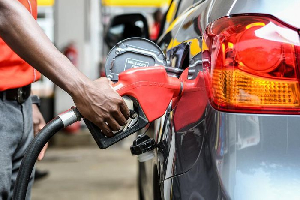
On that fateful night, torrential rains flooded the city, prompting many to seek shelter at the GOIL fuel station. But what began as a natural disaster soon turned catastrophic when leaked fuel on the water’s surface ignited in a massive explosion, allegedly triggered by a lit cigarette dropped into the fuel-laced floodwaters.
“The flooding of Kwame Nkrumah was the remote cause of the fire,” stated the government’s investigative report.
“The final ignition source was a lit cigarette dropped by an individual.”
The aftermath was devastating—bodies strewn across the streets and drains, property damage estimated at GHS 1.65 million, and a nation left in mourning. Three days of national mourning were declared as the country grappled with the scale of the tragedy.
A government-appointed committee recommended:
Dredging and desilting of the Odaw River and its tributaries
Drainage improvements across Accra
Establishment of a sanitation police force to enforce waste disposal laws
Despite some interventions over the years, many observers argue that key structural and environmental issues remain unaddressed. Poor urban planning, inefficient waste management, and unchecked construction continue to put lives at risk during each rainy season.
As survivors, families, and civil society groups reflect on the tragedy, they are once again calling for genuine reforms, consistent implementation of safety regulations, and long-term infrastructure investments to prevent another disaster.
“Ten years on, the pain lingers. But so does the demand for real accountability and safer cities,” a victim’s relative told reporters during a memorial held at the disaster site.