This blog is managed by the content creator and not GhanaWeb, its affiliates, or employees. Advertising on this blog requires a minimum of GH₵50 a week. Contact the blog owner with any queries.
Spencer Wan Blog of Tuesday, 14 January 2025
Source: Eric Afatsao
IGP George Dampare Responds To Mahama’s Directive: A Bold Statement Shaping Future Investigations
- Share:


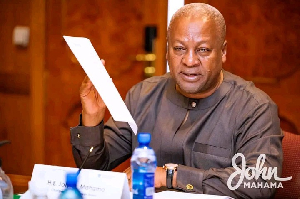
According to a report from Ghana daily news. In a significant development within Ghana's political and law enforcement landscape, Inspector General of Police (IGP) George Akuffo Dampare has responded to a directive issued by former President John Dramani Mahama. This response, described by many as a “bold message,” has captured widespread public attention and is viewed as pivotal in determining the trajectory of ongoing and future investigations in the country.
While the exact details of IGP Dampare’s response have not been made public, sources indicate that it conveys a clear and assertive stance regarding his approach to law enforcement operations. Observers interpret this reaction as a strong signal directed not only at the political establishment but also at the general public, emphasizing Dampare's commitment to maintaining the integrity and accountability of the police force.
The implications of this response are profound, as it may influence the outcomes of current investigations and set important precedents for IGP Dampare's leadership style. Analysts note that Dampare’s communication reflects the delicate balance that exists between the realm of political leadership and the autonomy of law enforcement agencies, particularly in sensitive and high-stakes situations.
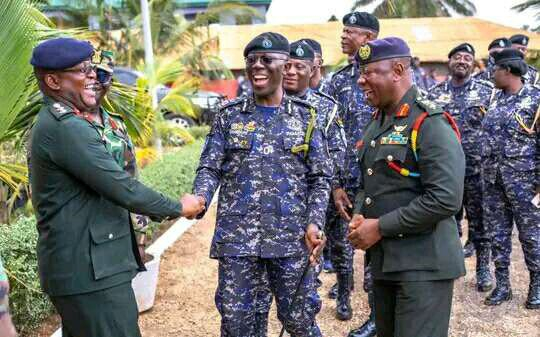
As the public awaits further developments, there is a palpable sense of anticipation regarding whether IGP Dampare’s words will be accompanied by decisive actions. This situation underscores the critical need for effective communication between political figures and law enforcement agencies, especially in contexts where public trust and transparency are paramount.
The response from the IGP comes at a time when the relationship between law enforcement and political entities is under scrutiny. Given the historical context of political influence over police operations, Dampare’s stance is being closely monitored as a potential turning point for a more independent and accountable police service. Observers are eager to see how this bold message translates into concrete actions, which could either reinforce or challenge prevailing perceptions of the police force.
The coming weeks will be crucial for IGP Dampare as he navigates the complexities of his role. The expectation is that he will not only uphold the law but also engage with community concerns and political directives in a manner that fosters public confidence in law enforcement. The challenge will lie in maintaining this balance without compromising the independence of the police.
As discussions around the integrity of law enforcement continue, IGP Dampare’s response serves as a reminder of the essential role that police leadership plays in shaping public perception and trust. The unfolding situation highlights the necessity for clear, consistent communication from law enforcement officials, especially when addressing issues of national importance.
In summary, IGP George Akuffo Dampare's response to former President Mahama marks a significant moment in Ghana's political and law enforcement narrative. The public is now left to ponder the implications of this bold message and whether it signals a new era of accountability and transparency within the police force. How this situation evolves will undoubtedly influence the future of policing in Ghana and the relationship between law enforcement and political leadership.